

Yes, collectible golf headcovers are worth buying if you focus on limited-edition drops, vintage leather pieces, and artisan-made covers rather than chasing every release. These three categories hold value best because they combine scarcity with genuine craftsmanship. Prioritize fit and condition over hype, and look to established makers for pieces built to protect clubs while holding their worth.
TL;DR:
- Only buy limited-edition, vintage leather, or artisan-made headcovers, as they combine scarcity with durability and craftsmanship to retain value.
- Verify rarity with serial numbers or production caps, and assess condition, fit, and provenance carefully before purchasing.
- Purchase from brand drops, specialized marketplaces, or trusted vintage dealers, and document all purchase details and authenticity proofs.
- Properly clean and store headcovers away from sunlight and moisture, photographing them before storage to verify condition over time.
- Focus on quality materials and story-driven collaborations, as these features significantly influence long-term collector value.
Table of Contents
- What Types of Collectible Golf Headcovers Should You Look For?
- How Do You Evaluate a Collectible Headcover Before Buying?
- Where Can You Buy Rare and Limited-Edition Headcovers?
- How Should You Clean and Store Collectible Headcovers?
- How Jaguargolf Approaches Craftsmanship and Limited Runs
- How Do You Tell a Genuine Collectible Headcover From a Fake?
- What Design Features Actually Increase a Headcover’s Value?
- How Can You Spot the Next Valuable Headcover Release?
- How to Shop for Limited and Handcrafted Headcovers
- A Collector’s Honest Take on Style Versus Preservation
- Sources
What Types of Collectible Golf Headcovers Should You Look For?
Collectors gravitate toward five distinct categories, and each one carries a different risk-and-reward profile.
Plush and novelty headcovers, the animal-shaped designs and mascot characters, built the modern collecting hobby. They’re playful, instantly recognizable, and easy to display. The tradeoff is durability: plush fabric absorbs moisture and fades under sun exposure faster than tougher materials, so a mint-condition vintage plush cover commands a real premium over a sun-bleached one.
Leather headcovers sit at the opposite end. Full-grain or top-grain leather resists UV damage and ages into a patina that many collectors actually prefer. Leather is heavier and pricier upfront, but a well-conditioned leather cover from decades ago can still protect a clubhead as well as it did the day it was made.
Knit and wool covers, often tied to specific eras or club logos, split the difference. They’re breathable and classic looking but snag easily and need gentler care than synthetic blends.
Canvas covers are the underrated workhorses. They’re less flashy, but their tight weave holds up to years of bag abrasion.
Then there’s the category driving most of today’s collector energy: artist-made and licensed collaboration covers. Limited runs tied to a specific designer, a tour event, or a brand partnership create genuine scarcity. Drop culture has repositioned some headcovers as status pieces, where collectors value exclusivity and design story as much as raw material quality.
What actually makes a piece worth chasing:
- A numbered or serialized production run, not just a “limited” label with no cap disclosed
- A named designer or artist collaboration rather than a generic seasonal print
- High-quality construction (UV-resistant vinyl, reinforced stitching, protective interior lining) that signals the maker cared about longevity, not just looks
- A connection to a specific event, tour win, or brand milestone that gives the piece a story
How Do You Evaluate a Collectible Headcover Before Buying?
Rarity alone doesn’t make a headcover valuable. Condition, fit, and paperwork matter just as much, and skipping any one of them is how collectors overpay for pieces that won’t hold value.
Work through this order before you commit to a purchase:
- Check the rarity signals. Look for a stated production number, a serial tag, or a drop announcement you can find independently online. Named limited models from collections like L.A.B. Golf’s limited releases show how legitimate limited runs are documented and marketed, which gives you a benchmark for spotting vague or unverifiable “limited” claims elsewhere.
- Grade the condition honestly. For vintage or used pieces, check the interior lining for tears, inspect stitching for prior repairs, and look at the fabric or leather for sun fading. A repaired seam isn’t a dealbreaker, but it should lower the price you’re willing to pay.
- Confirm the fit. A driver cover that’s loose on a modern 460cc head, or a putter cover that doesn’t seat over a mallet shape, isn’t just an aesthetic miss. It defeats the entire point of a headcover, which is protecting the club. Measure your clubhead before buying anything you can’t return.
- Weigh resale potential against personal enjoyment. Some pieces are genuine investments; others are simply fun to own. Be honest with yourself about which one you’re buying.
Pro Tip: Keep a folder, physical or digital, with the original listing, purchase receipt, and any certificate of authenticity for every collectible piece you buy. Documented provenance is what separates a serious collector’s item from a random used cover when it’s time to resell or insure your collection.
Where Can You Buy Rare and Limited-Edition Headcovers?
Sourcing collectible headcovers well means knowing which channel fits which kind of purchase, since brand drops, marketplaces, and vintage dealers each carry different risks and price expectations.
- Brand and artisan drops. Sign up for mailing lists directly on maker sites. Many boutique headcover makers run their storefronts on Shopify, so a quick search for “handcrafted headcovers” plus the platform often surfaces smaller shops before they show up in general search results.
- Major brand limited editions. Larger manufacturers publish dedicated collections with set retail pricing. Cobra’s limited-edition headcover line typically prices special releases in the $75 to $100 range, which is a useful anchor for what a fresh, brand-new limited piece should cost before markup.
- Secondary marketplaces. Sites carrying vintage golf headcovers give access to discontinued and hard-to-find pieces, but check seller ratings, demand close-up condition photos, and confirm the return policy before paying.
- Vintage dealers and auctions. These sellers often specialize in a specific era or brand, which means better provenance knowledge, but also higher prices for anything with documented history.
- Boutique and artisan shops. Catalogs from makers like Reinland Golf Co show there’s a real market for handcrafted, vintage-inspired covers outside the big brand system.
Prices vary widely from common knit covers to serialized, artist-signed pieces in mint condition. Condition and documented rarity move the number more than the brand name does.
How Should You Clean and Store Collectible Headcovers?
Preservation is where most collectors lose value without realizing it. A rare cover stuffed in a bag pocket for a season looks nothing like the one photographed for its original listing.
Clean by material, not by habit:
- Spot clean plush and novelty covers with a damp cloth and mild soap. Never machine wash.
- Condition leather every few months with a leather-specific product to prevent cracking.
- Hand wash knit and wool covers in cold water and lay them flat to dry.
- Wipe canvas down with a soft brush and let it air dry fully before storage.
Store pieces away from direct sunlight, in breathable fabric bags rather than sealed plastic, and never stacked under heavier gear that can crush their shape.
Pro Tip: Photograph each piece from four angles before storing it for the season. If you ever need to prove condition for resale or insurance, dated photos are far more convincing than memory.
Minor fixes, like a loose thread, are fine to handle yourself. Anything involving structural stitching or leather restoration belongs with a professional, and you should photograph the item before and after so you can document the change.
How Jaguargolf Approaches Craftsmanship and Limited Runs
Jaguargolf builds its headcovers around personalized designs and premium materials, which matters most when a piece is meant to hold up over years of collecting rather than one season of play. The brand’s focus on quality craftsmanship and durable construction addresses a common complaint among collectors: covers that look great on release day but fall apart or fade within a year.
For limited runs and custom requests, Jaguargolf works directly with customers rather than pushing generic seasonal drops, which gives collectors more say in materials and design details up front. That approach pairs well with good documentation habits. If you’re building a collection around custom or personalized club covers, keeping your own order details and design proofs on file protects both the sentimental and resale value of the piece down the road.
How Do You Tell a Genuine Collectible Headcover From a Fake?
Authentication starts with the tag, not the photo. Counterfeit headcovers almost always cut corners on interior labeling, stitching consistency, and material weight, since those details cost the most to replicate correctly.
Check the stitching first. Genuine limited-run pieces from established makers use consistent, tight stitching throughout, including on interior seams a counterfeiter is less likely to bother matching. Loose threads, uneven spacing, or glue residue near the seams are red flags.
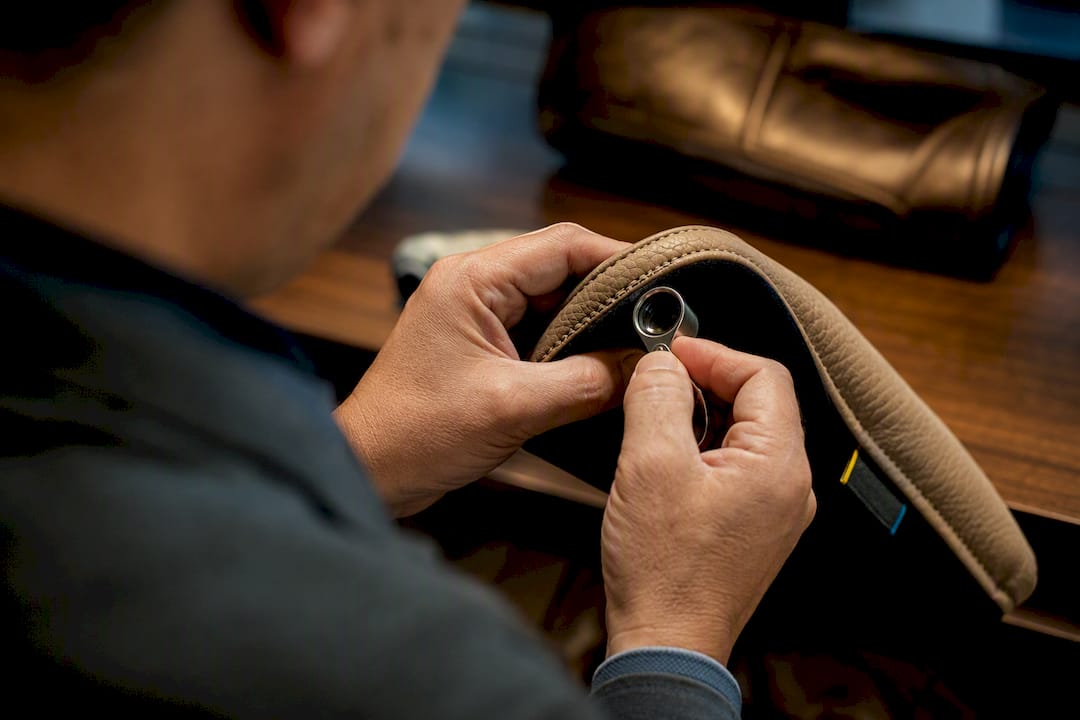
Compare materials against the original listing photos. A real leather cover has weight and texture that vinyl imitations don’t replicate well, and a genuine plush piece uses denser fill than a cheap knockoff. If a listing photo looks slightly different in color or texture from the official brand images, ask the seller for additional close-up shots before paying.
Verify the serial number or production tag independently when one exists. A legitimate limited run tied to a drop announcement, like the kind cataloged in L.A.B. Golf’s limited-release collection, should have a documented production count you can cross-reference. If the seller can’t explain where a serial number comes from, treat that as a warning sign rather than a minor gap.
Buy from sellers who provide a return window. Reputable secondary marketplaces and dealers stand behind authenticity claims with a return policy; sellers who refuse returns on an expensive “rare” piece are the ones most likely selling a fake.
What Design Features Actually Increase a Headcover’s Value?
Not every limited-edition label translates into lasting value. A handful of specific attributes separate covers that appreciate from ones that just sit in a drawer.
Numbered production runs matter more than the word “limited” printed on a tag. A cover marked “47 of 250” gives collectors a verifiable scarcity number; a cover simply labeled “limited edition” with no count attached is a marketing term, not a collector guarantee.
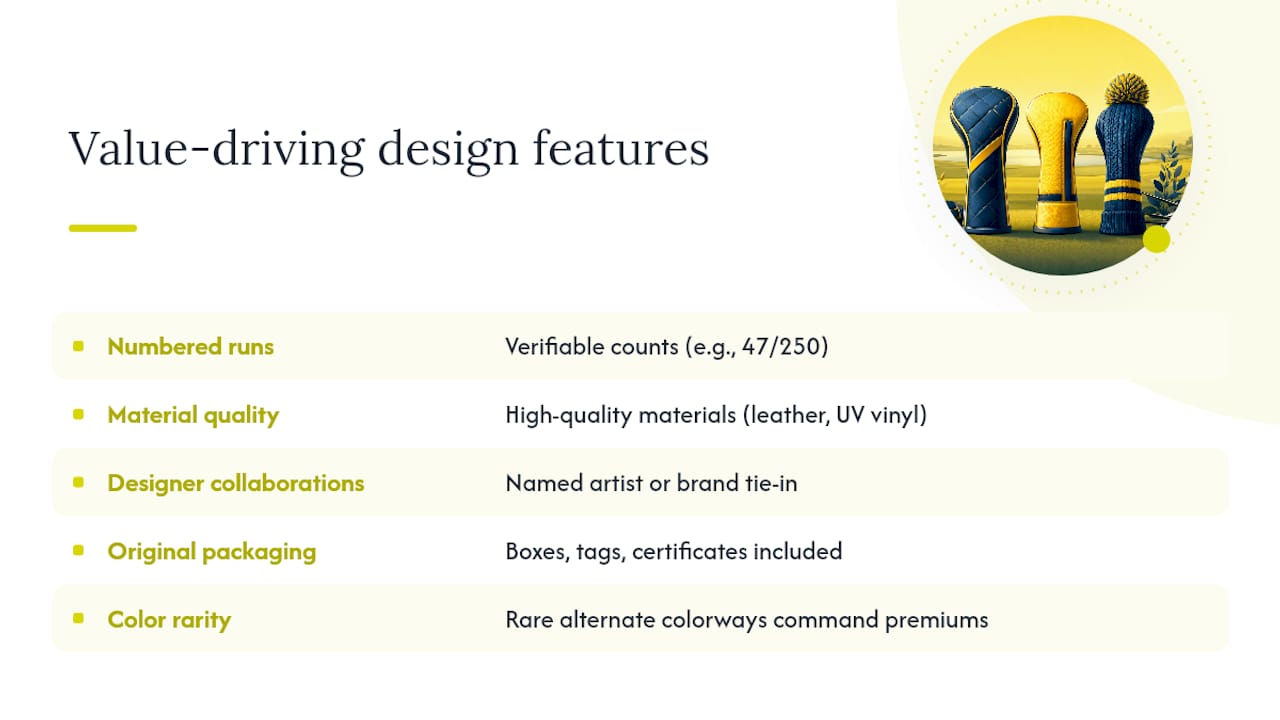
Material quality holds up the value over time. UV-resistant vinyl, full-grain leather, and reinforced interior lining aren’t just protective features, they’re what keeps a ten-year-old piece looking close to new, which is exactly what resale buyers pay a premium for.
Named designer or artist collaborations carry a story that generic seasonal prints don’t. A cover tied to a specific illustrator, tour event, or brand milestone gives future buyers a reason to want that exact piece instead of a similar-looking substitute.
Original packaging and included extras, tags, certificates, branded boxes, add measurable value at resale. Collectors treat a complete set the same way sneaker collectors treat original boxes: it’s proof the item hasn’t been heavily used or altered.
Color and pattern rarity within a release also plays a role. Brands often produce a standard colorway alongside a rarer alternate version, and the alternate almost always commands a higher price once the run sells out.
How Can You Spot the Next Valuable Headcover Release?
Future value is easier to predict than most collectors assume, once you know which signals to watch.
Follow the designers and artists behind past successful drops, not just the brands. A collaborator whose earlier limited run sold out and appreciated is a strong indicator their next project will do the same, regardless of which brand they partner with.
Watch for small production numbers announced ahead of release. A drop capped under a few hundred units, especially from a maker with a track record of sold-out releases, tends to move fastest and hold value best.
Pay attention to tour and major-event tie-ins. Covers connected to a specific tournament win or milestone season carry a story that outlasts the release date, which is exactly the kind of narrative that drives long-term collector interest.
Track how quickly past releases from a given maker sold out. A brand or artisan shop whose last three drops disappeared within a day is a good sign the next one will move just as fast, so getting on that mailing list early matters more than waiting for a public listing.
Finally, don’t overlook secondary demand as an early signal. If vintage pieces from a maker’s earlier collections are already climbing in price on marketplaces, that’s a strong hint their upcoming work will land the same way.
How to Shop for Limited and Handcrafted Headcovers
The catalog covers driver, fairway wood, and putter headcovers built around personalized designs and durable materials, which makes it a solid starting point whether you’re protecting a new set or hunting for a standout piece to add to a growing collection.
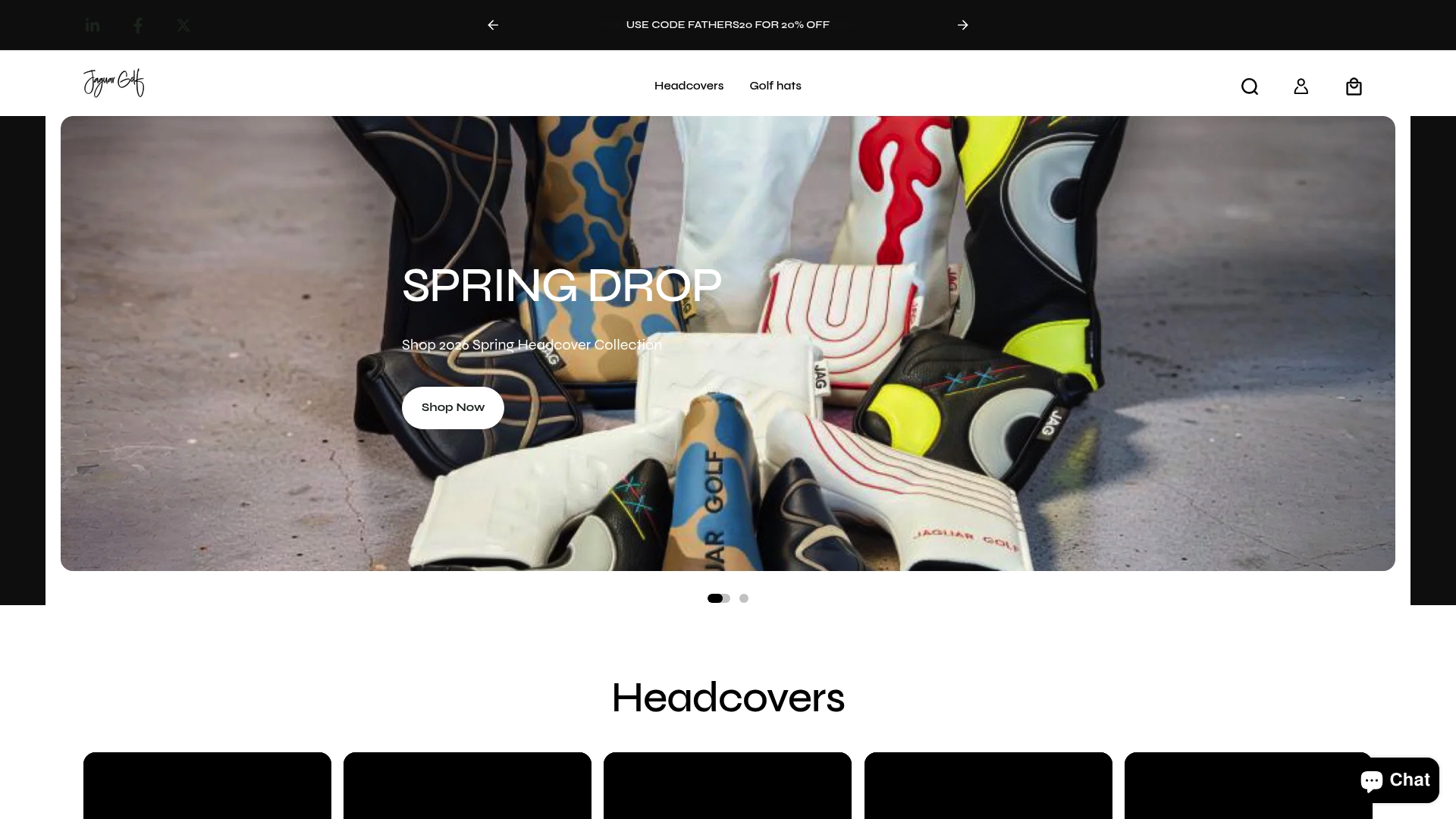 The landing page organizes covers by club type, so you can move straight to driver and fairway styles or explore personalized and custom options if you want a piece designed around your own specs rather than a generic seasonal print. For collectors specifically hunting limited runs, reaching out directly about upcoming or custom releases is the most reliable way to get ahead of a drop instead of hoping a size or design is still in stock when it goes public.
If you’re deciding where to start, browse the current lineup at Jaguargolf and pick one well-made piece that fits your clubs correctly. That’s a better first move than buying three mediocre covers hoping one turns out to be valuable.
A Collector’s Honest Take on Style Versus Preservation
Start small. Buy one headcover that fits your club perfectly and that you’d be happy to use even if it never appreciates in value. Too many new collectors chase hype pieces before they’ve learned to judge condition or verify provenance, and that’s how a collection ends up full of items nobody can properly authenticate later.
Document everything from day one, receipts, photos, serial numbers, and treat fit and condition as more important than any drop announcement. The pieces that hold value long term are the ones someone took care of, not just the ones that sold out fast. Enjoy the hunt. That’s the part worth protecting most.
— Josh
Sources
- Golf
- L.A.B. Limited - Headcovers – L.A.B. Golf
- Limited Edition Headcovers – COBRA Golf
- Vintage Golf Headcovers — eBay shop


