

The leading golf accessory trends for 2026 center on five shifts: compact personal launch monitors, sustainable materials replacing standard plastics and foams, personalized headcovers and hat collaborations, ultra-light hybrid bags, and smarter training aids. Coverage from the PGA Show and gear roundups from brands like Jaguar Golf all point the same direction this season.
TL;DR:
- Compact personal launch monitors now offer battery life in hours and indoor/outdoor modes, making them suitable for both beginners and advanced players.
- AI-enabled grips and sensors require waterproof housing, a decent app, and a long-lasting battery to effectively track swing flaws for intermediate golfers.
- Mid-priced rangefinders and GPS watches now include slope adjustment and hole mapping, but must be checked for tournament legality and screen visibility in sunlight.
- Sustainable materials such as recycled ocean plastics and plant-based foams are now standard in 2026 gear, with durability improvements reducing previous performance gaps.
- Personalized headcovers and collaborations are highly sought after, with designs emphasizing protection, weather resistance, and showcasing individual style.
Table of Contents
- Top 8 Golf Accessory Trends for 2026 At a Glance
- Why These Trends Are Happening Now (and What to Look For)
- How to Choose Which 2026 Accessories Belong in Your Bag
- Jaguar Golf’s Take on Headcovers, Hats, and Personalization
- What the Data Actually Tells You to Prioritize
- Protect Your Clubs and Show Some Personality on the Course
- Sources
- FAQ
Top 8 Golf Accessory Trends for 2026 At a Glance
Before getting into why each trend matters, here’s the quick-scan version. Each one solves a different problem, so match the trend to the gap in your own bag rather than chasing all eight at once.
- Compact personal launch monitors — pocket-sized devices bring driving-range data to your backyard or the course; best for players who want real swing numbers without a simulator budget.
- AI-enabled grips and sensors — clip-on or embedded sensors track tempo, face angle, and path in real time; useful for golfers working on a specific swing flaw.
- Next-gen rangefinders and GPS watches — slope-adjusted yardages and hole mapping now come standard even in mid-priced units; a smart upgrade for anyone still eyeballing distances.
- Sustainable materials — recycled ocean plastics, eco-nylon, bamboo tees, and plant-based foams are showing up across bags, gloves, and tees, per Fortune Business Insights.
- Personalized headcovers and collaborations — limited runs and custom designs turn club protection into a style statement; a favorite for golfers who treat their bag as an extension of their personality.
- Ultra-light and hybrid bag builds — stand bags are shedding weight while carrying more tech-friendly pockets; ideal for walkers tired of aching shoulders.
- Multi-function towels and maintenance tech — magnetic attachments, dual-texture fabric, and club-groove cleaning built into one towel; a small upgrade that pays off every round.
- Advanced training aids and tempo devices — alignment tools and audio tempo trainers are getting smaller and smarter; great for players trying to build a repeatable pre-shot routine.
Why These Trends Are Happening Now (and What to Look For)
Each of these categories has a different driver behind it, and knowing the “why” helps you separate a real upgrade from a shiny gimmick.
Compact personal launch monitors
Miniaturized radar and camera sensors have made launch monitors small enough to fit in a golf bag pocket, a shift the Golf Digest Hot List has tracked closely as consumer-priced units mature into serious tools rather than novelty gadgets. Look for battery life rated in hours (not rounds), Bluetooth pairing with a mobile app, and indoor/outdoor mode switching. Beginners get the most value from simple carry-distance readouts, while low-handicap players will want spin rate and launch angle data to fine-tune ball flight.
AI-enabled grips and sensors
Grip sensors and clip-on swing trackers now use onboard processing to flag tempo mismatches or face-angle issues without sending raw data to the cloud first. The core checklist: waterproof housing, a companion app that doesn’t require a subscription to view basic stats, and a battery that survives a full season. These tools suit intermediate players chasing consistency more than beginners still learning fundamentals.
Next-gen rangefinders and GPS watches
PGA Show coverage this year singled out technology and personalization as the two accessory themes retailers are betting on, and rangefinders are a clear beneficiary. Slope compensation, preloaded course maps, and green-contour overlays have moved from premium-only features into mid-tier products. When shopping, check legal-for-tournament-play certification if you compete, along with screen visibility in direct sunlight.
Sustainability and eco materials
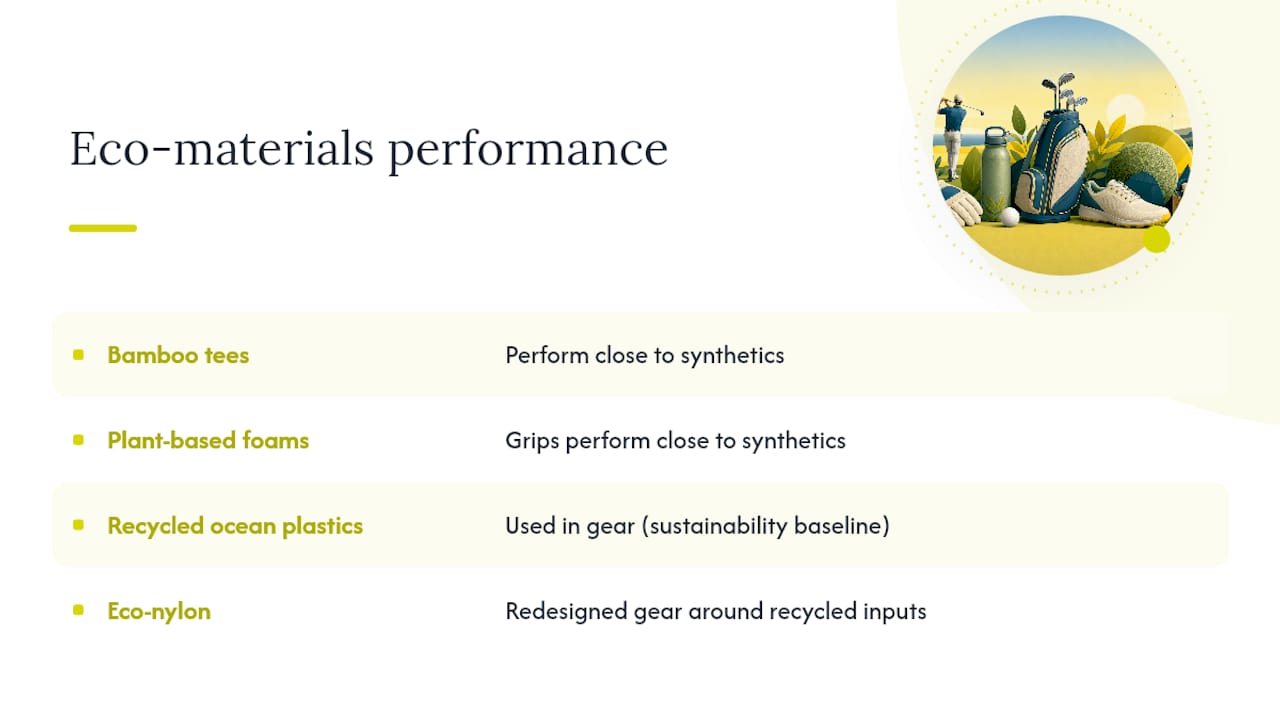
Recycled ocean plastics, eco-nylon, bamboo tees, and plant-based foams are no longer a niche marketing angle. Fortune Business Insights notes sustainability has become a baseline expectation rather than a premium add-on for 2026 gear, which mirrors how performance apparel brands like STRYQ have redesigned gear around recycled and renewable inputs. Bamboo tees and plant-based foam grips now perform close to their synthetic predecessors, so the trade-off in durability is smaller than it used to be.
Premium personalized headcovers and collaborations
Limited-edition drops and designer collaborations are pulling headcovers out of the “afterthought accessory” category. Retailer commentary on 2026 buying patterns points to personalization and collabs as key drivers of premium accessory demand, which tracks with what golfers are actually asking for: covers that protect clubs and say something about who they are.
Ultra-light and hybrid bag designs
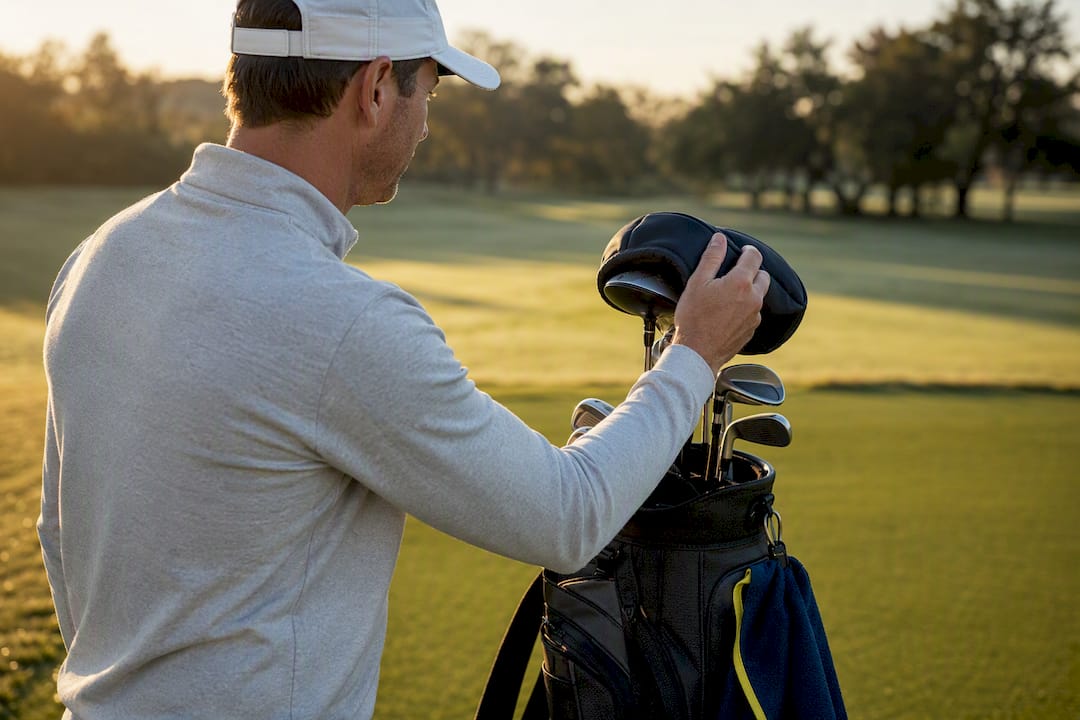
Manufacturers are pushing premium stand bags below four pounds while still packing in tech-friendly pockets for rangefinders, phones, and battery packs, according to 2026 bag trend coverage. Walkers should prioritize dual-strap comfort and stand mechanism reliability over sheer pocket count.
Multi-function towels and maintenance tech
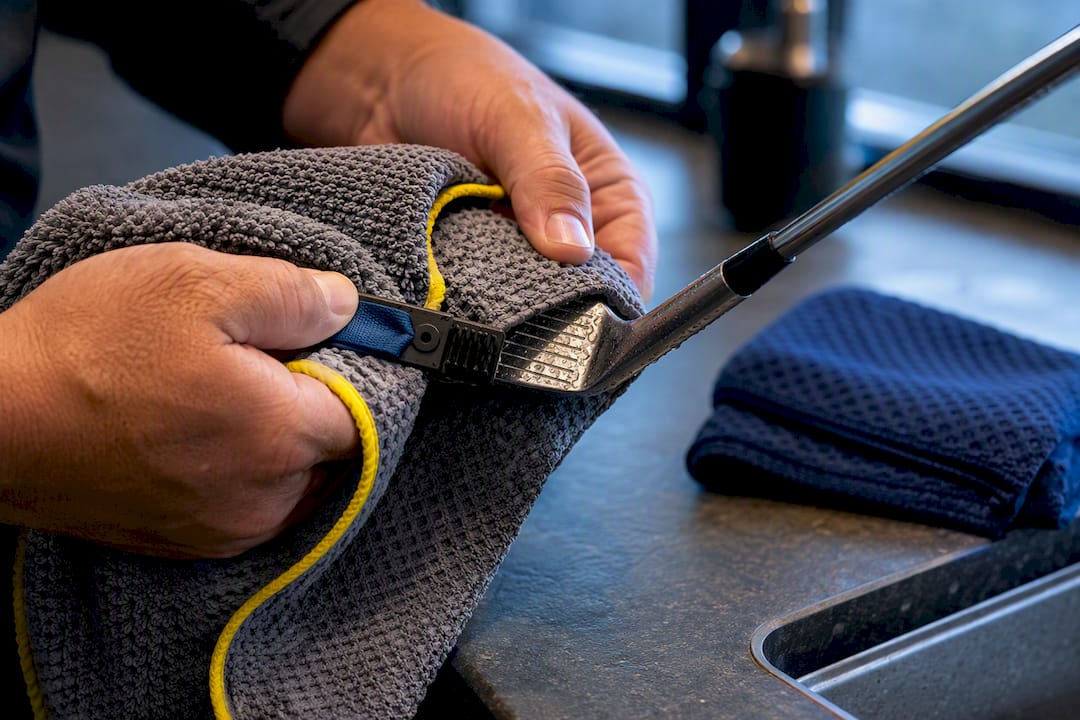
Small but real upgrades are happening in towels, with magnetic cart attachments, microfiber and terry combinations, and built-in groove brushes showing up in year-end gear guides as must-have accessories rather than throwaway items.
Advanced training aids and tempo devices
Alignment sticks haven’t disappeared, but audio and haptic tempo trainers are catching on among players documenting their bag updates, including the kind of incremental additions described in Golf Monthly’s running list of 2026 bag additions. These work best for players who already know their swing flaw and need a feedback loop, not a diagnosis.
How to Choose Which 2026 Accessories Belong in Your Bag
Matching accessories to your skill level saves money and prevents your bag from turning into a gadget graveyard.
- Beginners: Prioritize a reliable GPS watch or basic rangefinder and a quality towel. Skip AI swing sensors until you have a repeatable swing to analyze.
- Intermediate players: A compact launch monitor plus one training aid (tempo trainer or alignment tool) will do more for your scores than another club purchase.
- Advanced and competitive golfers: Look at slope-legal rangefinders, grip sensors for tournament prep, and premium personalized headcovers that hold up to frequent travel.
Run through this checklist before buying any tech accessory:
- Battery life — rated in hours of active use, not “rounds,” since round length varies widely.
- App experience — does it require a paid subscription for basic data, or is core functionality free?
- Waterproofing rating — IPX4 or higher for anything living in your bag through a rainy season.
- Warranty length — one year is standard; anything shorter is a red flag on a $200-plus device.
- Course legality — confirm certification if you plan to use a rangefinder or watch in sanctioned play.
Budget matters here too. A $15 set of alignment sticks solves the same problem as a $300 sensor for a golfer who just needs visual feedback on setup, so don’t assume the pricier tool is the better one for your actual skill gap.
Pro Tip: Test any tech accessory during a demo day or within a retailer’s return window before committing. Launch monitors and sensors vary enough in feel and accuracy that a spec sheet won’t tell you if it fits your swing.
Jaguar Golf’s Take on Headcovers, Hats, and Personalization
Headcovers do double duty in 2026: they protect a $400 driver from bag rash and travel dings, and they let a golfer show personality on every tee box. That combination is why personalization ranks alongside tech and sustainability as a defining trend this year.
At Jaguar Golf, that means designing covers with real padding and weather-resistant textiles, not just decorative fabric wrapped around foam. A cover that looks sharp but let’s water seep in during a wet back nine isn’t doing its job. Golfers who want design inspiration or want to see how personalization plays out across a full bag setup can browse Jaguar Golf’s headcover design styles or the broader 2026 accessories guide covering headcovers, hats, and bag essentials together.
What the Data Actually Tells You to Prioritize
Most gear roundups treat every trend as equally urgent, and that’s the wrong takeaway. Tech gets the headlines because it’s flashy, but the PGA Show signal worth paying attention to isn’t “buy a launch monitor.” It’s that personalization and technology are converging as retail categories, which means the accessories that will feel dated fastest are generic ones, tech or otherwise.
The overrated move this year is chasing sensor tech before fixing fundamentals. A grip sensor tells you what’s already wrong, but it won’t fix a setup issue an instructor could spot in one lesson. The underrated move is treating headcovers and bag setup as part of your equipment strategy, not an afterthought bought at checkout. A cover that actually protects your driver’s face from bag-to-trunk impact saves more money over a season than most of the tech on this list.
Prioritize protection and fit first, tech second, and style always. Golfers who get that order backward end up with drawers full of unused gadgets and clubs with dinged crowns.
— Josh
Protect Your Clubs and Show Some Personality on the Course
Some brands build headcovers and hats around the trend of protection that doesn’t sacrifice style. The catalog often includes driver, fairway wood, and blade and mallet putter covers, typically made with durable materials designed to handle bag travel and weather without looking like an afterthought.
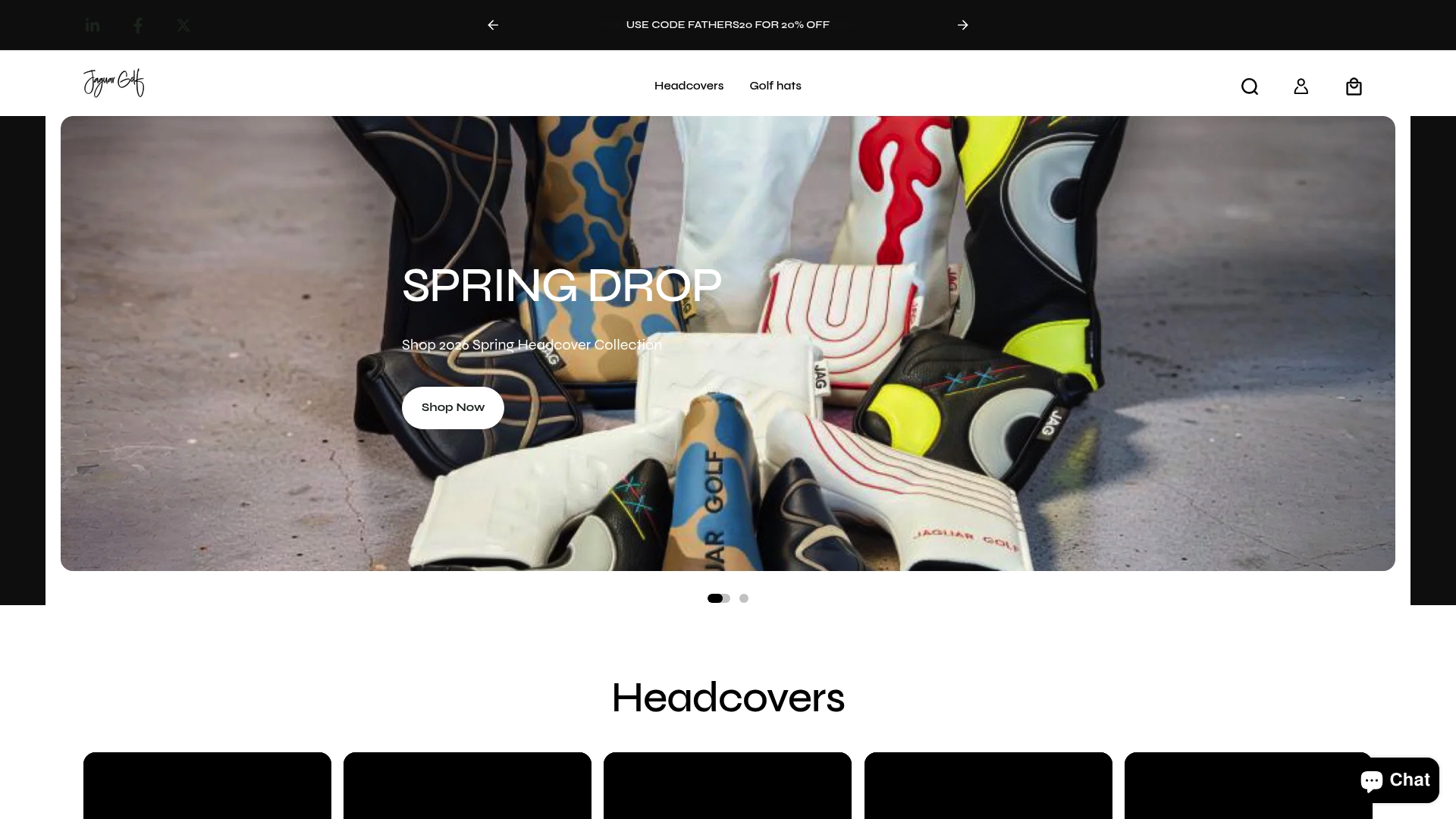
If you’re refreshing your bag for the season, start with the pieces that touch your clubs every round. Browse the full 2026 accessories lineup for design ideas, or check the practical course-play accessory guide for other small upgrades worth making this year. Visit Jaguargolf to shop current headcover and hat designs and find the setup that fits your bag and your game.
Sources
- Golf Equipment Market — Fortune Business Insights
- Pga
- 2026 Hot List | Golf Equipment: Clubs, Balls, Bags — Golf Digest
FAQ
What are some popular golf accessories in 2026?
Compact launch monitors, GPS watches with slope adjustment, personalized headcovers, and sustainably made gloves and tees are among the most popular picks for 2026.
What are the trends in golf apparel for 2026?
Golf apparel is leaning into personalization through collaborations and limited-edition drops, alongside a steady shift toward recycled and plant-based fabrics.
What are some cool new golf accessories?
AI-enabled grip sensors, multi-function towels with built-in groove brushes, and ultra-light hybrid stand bags under four pounds are standing out as fresh picks this year.
What new golf equipment will be released in 2026?
Expect more consumer-priced personal launch monitors, next-gen rangefinders with better slope mapping, and premium headcover collaborations, all themes highlighted at the 2026 PGA Show.


