

Pick a clear theme, choose the right material, then decide DIY or professional order — those three choices settle almost every custom headcover project. Start with a theme that fits your personality or bag (classic leather, plush character, team pride), match it to a durable exterior with a protective lining, and only take on DIY if the design is simple. For embroidery, team colors, or leatherwork, ordering from a specialist gets you a cleaner result. The rest is just execution.
TL;DR:
- Durable materials like synthetic leather or high-quality vinyl are essential for headcovers to last several seasons, especially in exposed weather conditions.
- Simplifying logo design to a bold shape or single letter ensures clarity and readability at the typical embroidery size of around 3.5 inches wide.
- Accurate measurements of your clubhead’s circumference and length are crucial for a snug fit and to prevent damage or difficulty in fitting the headcover.
- Choose specialist-made covers for intricate embroidery, leatherwork, or licensed graphics; DIY is best suited for simple blocks, monograms, or basic patterns.
- Investing in high-quality, long-lasting headcovers reduces waste and environmental impact compared to cheaper, short-lived options that fade, crack, or end up in landfills quickly.
Table of Contents
- 30 Custom Headcover Design Ideas by Category
- Choosing Materials and Construction for Durability
- How to Design and Order (or DIY) a Custom Headcover
- Rules for Coordinating Headcovers With Your Bag
- Sustainable Materials and Environmental Considerations
- What Actually Separates a Good Custom Headcover From a Great One
- Ready to Turn Your Design Ideas Into a Real Headcover?
- Sources
- FAQ
30 Custom Headcover Design Ideas by Category
Custom headcovers fall into a handful of natural categories, and knowing which one fits your goals makes the design process faster. Below are ideas grouped by style, each with a quick note on material and who it’s really for.
Classic and premium:
- Full-grain leather driver cover with tone-on-tone stitching (gift-worthy, ages well)
- Monogrammed suede cover with a single embroidered initial (daily play, understated)
- Two-tone leather with contrast piping (tournament-appropriate)
- Minimalist cover with debossed (pressed, not stitched) logo (premium shop only)
- Waxed canvas with leather trim for a vintage look (daily play)
Plush and character:
- Animal head covers (lion, tiger, gorilla) in synthetic fur (fun rounds, great gift)
- Cartoon mascot covers with oversized features (DIY-friendly with a pattern kit)
- Sea creature designs (shark, octopus) in plush fabric (novelty, casual rounds)
- Dragon or mythical creature covers with embroidered scale detail (premium shop)
- Smiley-face or emoji-style plush covers (budget-friendly, kids or beginners)
Pop culture and novelty:
- Retro video game character covers (licensed designs need a specialty maker)
- Beer can or six-pack motif covers (novelty, weekend rounds)
- Movie character homages using color-blocked fabric instead of exact logos (avoids licensing issues)
- Novelty food designs (donut, taco, burger) in bright vinyl (conversation starter)
- Band or album-inspired graphic covers using simplified icon shapes (DIY with iron-on transfer)
Team and club logos:
- Officially licensed team vinyl covers with UV-resistant exteriors (fan gear, durable)
- Country club crest covers with embroidered insignia (member gift, premium shop)
- College mascot covers in team colors (tailgate season favorite)
- Custom club logo covers for private groups or leagues (bulk order discount often available)
- National flag or heritage-pattern covers (understated pride, daily play)
Commemorative and milestone:
- Hole-in-one date and course name embroidered on leather (lasting memento)
- Wedding date or anniversary covers as a groomsman gift
- Tournament win covers with score or year stitched in (trophy-case quality)
- Memorial covers honoring a person or pet, done tastefully in muted tones
- Retirement or milestone birthday covers with a short custom message
Color-blocking, patterns, and matching sets:
- Bold color-block covers using your bag’s two main colors (see the styling section below)
- Argyle or houndstooth pattern covers for a preppy look
- Camo pattern covers in tonal or bright colorways
- Matching three-piece sets (driver, fairway wood, putter) for a coordinated bag
- Funny slogan covers (“Not My Best Club,” “Send It”) in bold block lettering
Popularity data on individual themes is thin, but editorial roundups consistently point to plush characters, licensed team vinyl, and premium leather as the three styles that show up most often in driver headcover roundups, largely because they balance personality with real UV resistance and plush protection. If you want a broader visual reference before committing to one direction, Jaguar Golf’s current style trends for 2026 is worth a scroll.
Pro Tip: If you’re stuck between two ideas, pick the one that still looks good from ten feet away. Small details vanish fast on a headcover, so bold silhouette beats fine detail almost every time.
Choosing Materials and Construction for Durability
Material choice determines whether your headcover survives one season or five. Plush (synthetic fur or fleece) feels great and suits character designs, but it’s not the most weather-resistant option on its own. Synthetic sheepskin offers a similar soft feel with better resistance to moisture. Vinyl is the workhorse for team and licensed designs, since it holds bright colors and shrugs off sun exposure. Synthetic leather splits the difference between vinyl’s durability and real leather’s look, at a lower price point. Premium leather delivers the best long-term appearance and patina but costs more and needs occasional conditioning. Waterproof fabrics matter most if you leave clubs in a cart or trunk during unpredictable weather.
Lining and closure details matter just as much as the exterior:
- Thicker plush lining absorbs more shock during transport and travel.
- Reinforced seams prevent the most common failure point: stitching tears at the collar.
- Slip-on closures are simplest; elastic collars fit a wider range of shaft sizes; zippers offer the most secure fit but add manufacturing complexity.
UV-resistant exteriors paired with a plush interior are the combination editorial sources cite most often for long-term durability, since sun exposure fades cheap vinyl and dries out unprotected leather.
Pro Tip: Prioritize fit and a readable embroidery area over intricate detail. A logo that looks sharp at 3.5 inches wide will always outperform a busy design crammed into the same space.
How to Design and Order (or DIY) a Custom Headcover
Use a simple rule to decide your path: DIY works when your design is a solid color block, a simple monogram, or a basic pattern you can sew or iron on yourself. Order from a specialist when you need embroidery, leatherwork, licensed graphics, or a shaped mascot head.
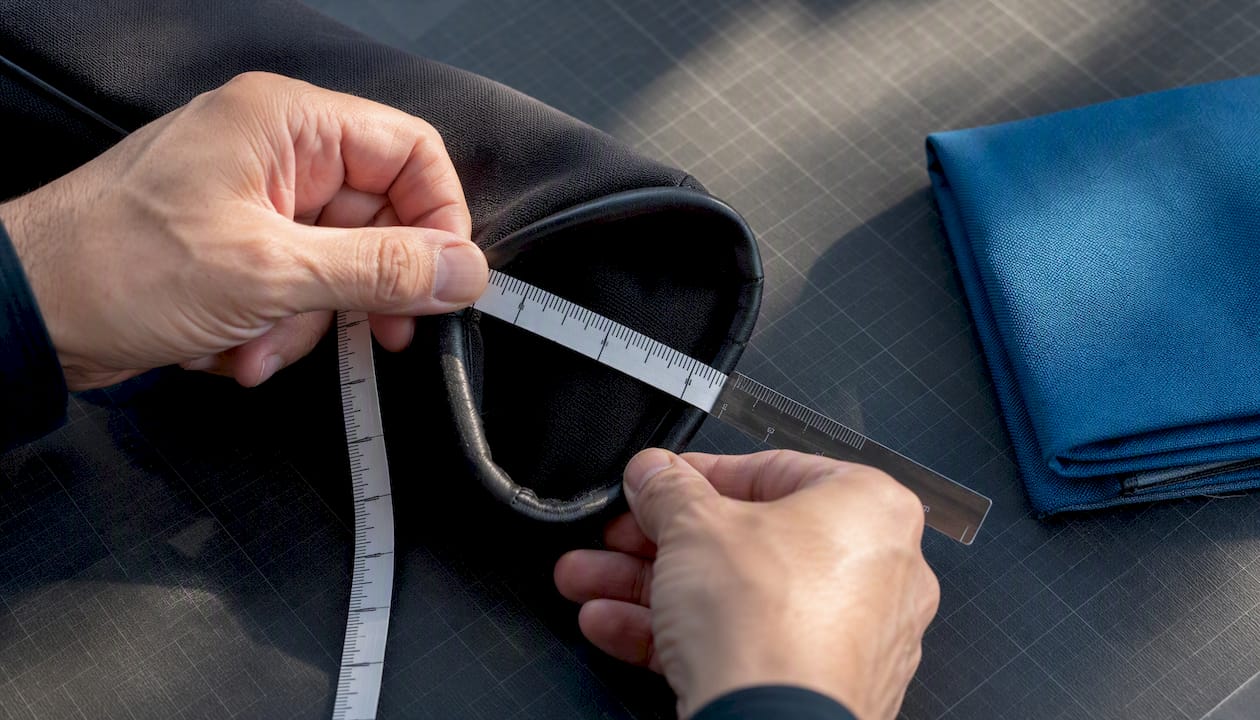
Sizing first, always. Measure your clubhead’s circumference at its widest point and the length from the base to the top of the crown, then add a small allowance for lining thickness and material stretch. Jaguar Golf’s driver size guide walks through exact measurement points if you’re ordering rather than guessing.
Design prep for ordering:
- Simplify any logo down to its focal element (a mascot head or single letter reads far better than a full crest).
- Keep the embroidery design within a roughly 3.5-inch working area.
- Provide vector files (AI, EPS, or high-resolution PDF) when possible for cleanest embroidery.
- Choose a first name or last name only for personalization text, not both, so letters can run closer to a full inch tall for readability.
- Confirm thread color codes against your bag’s palette before approving a proof.
- Ask about lead times. Custom embroidery orders typically run longer than stock covers, especially around tournament season.
Simple DIY slip-on driver cover:
- Fabric of choice (fleece, vinyl, or felt), lining material, thread, and a basic sewing machine or fabric glue.
- Cut two matching panels sized to your measurements plus a half-inch seam allowance.
- Attach any appliqué or iron-on graphic before sewing panels together.
- Sew the panels right-side-in, leaving the collar open.
- Add an elastic band or drawstring at the collar for a secure fit.
- Turn right-side-out, trim loose threads, and test the fit over your actual clubhead.
Rules for Coordinating Headcovers With Your Bag
A headcover that clashes with your bag looks accidental. One that contrasts on purpose looks designed. Use these rules as a starting point:
- Pick fleece or lining colors that contrast with the headcover’s top color so embroidered text and logos stay legible from a distance.
- When you can’t match your bag’s exact color, use the fabric itself as a stand-in for that color rather than forcing an imperfect dye match.
- If you’re unsure, treat your bag’s main color as an accent rather than trying to match it exactly across every cover.
- For a bold driver plus toned-down woods plus a refined putter, mix personality with restraint. For a fully matched three-piece set, expect a higher price and a more formal look.
- Choose a monogram when you want longevity and versatility across bags; choose a full graphic when you want a specific style statement that won’t change for years.
- Save loud slogans and novelty designs for casual rounds; stick to leather, muted color-blocking, or a clean monogram for tournament play.
Coordinating your headcovers with the rest of your on-course look matters too. A quick-dry performance polo in a neutral tone gives you more flexibility to swap in bolder headcover colors without the whole bag looking mismatched.
Sustainable Materials and Environmental Considerations
Golf accessories generate more waste than most golfers realize, especially cheap synthetic covers that crack, fade, and get replaced within a season. Choosing durable materials is itself a sustainability decision: a well-made leather or synthetic leather cover that lasts five years beats three thin vinyl covers that each last a year and end up in a landfill.
Look for exteriors described as UV-resistant, since sun-damaged material is one of the leading reasons golfers replace headcovers early. A cover that resists fading and cracking simply needs replacing less often, which cuts down on both cost and waste over time.
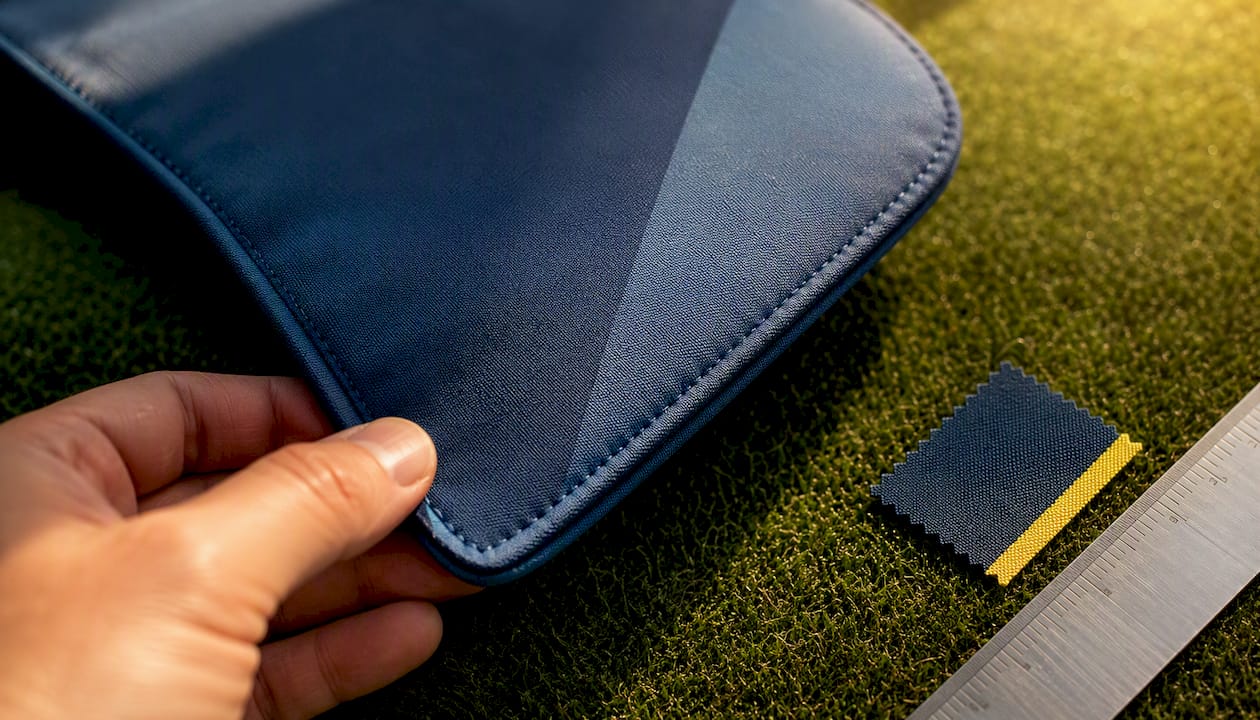
Synthetic leather and vinyl production carry a different environmental footprint than animal leather, and neither is perfectly clean. If sustainability matters to your purchase decision, ask about recycled or recyclable lining materials, and favor brands that emphasize construction quality over disposable, trend-chasing designs. A headcover built to last through several seasons of sun, rain, and cart-bag friction is the more sustainable choice almost by definition, regardless of which exterior material you choose.
Buying fewer, better-made covers also reduces packaging waste and shipping emissions tied to frequent reorders. If you’re choosing between two similar designs, the one built with reinforced seams and a quality lining will usually outlast the cheaper alternative by several seasons.
What Actually Separates a Good Custom Headcover From a Great One
Most customers overcomplicate their first design. They try to cram a full-color logo, three fonts, and a tagline onto a space that realistically fits one bold shape and maybe six letters. Jaguar Golf’s approach leans hard on logo simplification for exactly this reason: a mascot head or single initial reads clean at any distance, while a shrunken full logo turns into a smudge the moment it’s stitched.
The second most common mistake is sizing. Golfers measure once, guess on stretch allowance, and end up with a cover that’s either too loose to protect the clubhead or too tight to slide on without straining the seams. Pairing accurate measurements with a quality lining fixes both problems at once.
— Josh
Ready to Turn Your Design Ideas Into a Real Headcover?
If you’ve settled on a theme, a material, and a rough idea of how simple or detailed you want the embroidery, Specialist providers offer premium materials, personalized craftsmanship, and durable construction for covers. Whether you’re after a plush character cover for weekend rounds or a leather driver cover that needs to survive tournament season after season, they have you covered.
Browse the full custom golf headcover guide for a closer look at ordering options, or head straight to Jaguar Golf to view the design gallery and request a custom proof before you commit to a final layout.
Sources
For embroidery sizing and logo simplification, Extreme Screenprints offers practical layout rules. For material and durability comparisons, GOLF.com reviews standout driver covers. For color and personalization tips, YourGolfHeadcovers covers contrast and lettering choices in detail.
FAQ
Can I make my own custom headcover?
Yes, a simple slip-on cover with a solid color, monogram, or basic appliqué is realistic to sew or glue at home. Save embroidery, leatherwork, and licensed graphics for a professional order since those require equipment most golfers don’t have.
How much do custom headcovers usually cost?
Prices range widely: simple embroidered fleece covers sit at the low end, while premium leather and custom-shaped covers cost significantly more depending on material and complexity. Matching three-piece sets typically cost more than a single custom cover.
How do I make a headcover pattern at home?
Measure your clubhead’s circumference and length, cut two fabric panels with a half-inch seam allowance, sew them together leaving the collar open, then add elastic or a drawstring for fit. Test the fit over the actual clubhead before trimming any excess fabric.
What kind of headcover does Rory McIlroy use?
Tour pros typically use headcovers supplied by their equipment sponsor, often featuring the manufacturer’s logo and team colors rather than a personal custom design. Amateur golfers have far more freedom to personalize their covers with any theme, material, or embroidery they choose.
What’s the best embroidery size for a headcover logo?
Most designers work within a roughly 3.5-inch wide area for headcover embroidery. Simplifying a logo to one bold focal element keeps it readable at that size, while intricate multi-color designs tend to blur.


