

Shop Jaguargolf directly for premium, customizable headcovers built from quality materials with real fit specs. For limited editions or course-branded pieces, specialty online retailers and pro shops fill in the gaps. Either route beats grabbing whatever generic cover sits in the bargain bin.
Here’s why the direct route wins for most buyers:
- Premium materials (leather, structured knit) that hold their shape season after season
- Personalization options most big-box retailers don’t offer
- Clear fit specs for modern 460cc drivers, fairway woods, and putter shapes
Browse the headcover collection before your next round, or keep reading to learn what separates a good cover from a great one.
Key Takeaways
Choosing the right headcover comes down to matching material and fit to how you actually play, then buying from a source that backs the product with clear specs and a real return policy.
| Point | Details |
|---|---|
| Match fit to clubhead size | Confirm 460cc driver compatibility and correct fairway, hybrid, and putter shape before buying. |
| Choose material by use case | Leather suits durability and low bulk; knit suits casual play and lower cost. |
| Budget by tier | Entry covers run $15 to $30, premium leather or custom pieces often exceed $70. |
| Store smart | Use dividers in the bag for active rotation, racks or cases at home for collections. |
| Buy direct for customization | Jaguargolf offers personalized designs, premium materials, and clear return policies for buyers who want a set that fits and lasts. |
Table of Contents
- Where Can You Store Golf Headcovers and Buy Them Online?
- What Should You Check Before Buying a Headcover?
- Which Style and Personalization Options Fit Your Game?
- How Much Should You Budget for a Quality Headcover?
- How Do You Clean and Store Headcovers Properly?
- Why Jaguargolf Stands Out for Premium, Custom Headcovers
- Which Headcover Storage Solution Actually Works Best?
- Sources
Where Can You Store Golf Headcovers and Buy Them Online?
Three channels dominate the market, and each one solves a different problem. Specialty direct-to-consumer brands like Jaguargolf lead on selection and customization, since they control production and can list exact compatibility details instead of vague “fits most drivers” language. Major retailers and marketplaces win on speed and price comparison; 2nd Swing’s headcover catalog alone spans dozens of SKUs across brands, with prices running from novelty covers under $20 to premium leather pieces well past $100.
Pro shops and course retail stores serve a different need entirely: exclusivity. Pebble Beach’s online shop and Pinehurst’s golf headcover collection both carry course-branded and limited-run covers you won’t find anywhere else, which makes them a go-to for collectors or gift shoppers.
Before you check out anywhere, confirm two things:
- The listing states exact club-head compatibility (460cc driver, standard fairway/hybrid, blade or mallet putter)
- The seller’s shipping and return window is clearly posted, not buried in fine print
U.S. buyers should treat a vague return policy as a red flag regardless of how good the photos look.
What Should You Check Before Buying a Headcover?
Material choice drives everything else about how a headcover performs. Genuine leather resists abrasion, ages well, and keeps a low profile in the bag, though it costs more upfront and needs occasional conditioning. Knit covers run warmer looking, flex more, and often cost less, but they show wear faster under rough handling. Vessel Golf’s leather headcover line is a clear example of how handcrafted materials justify a premium price through durability and finish quality.
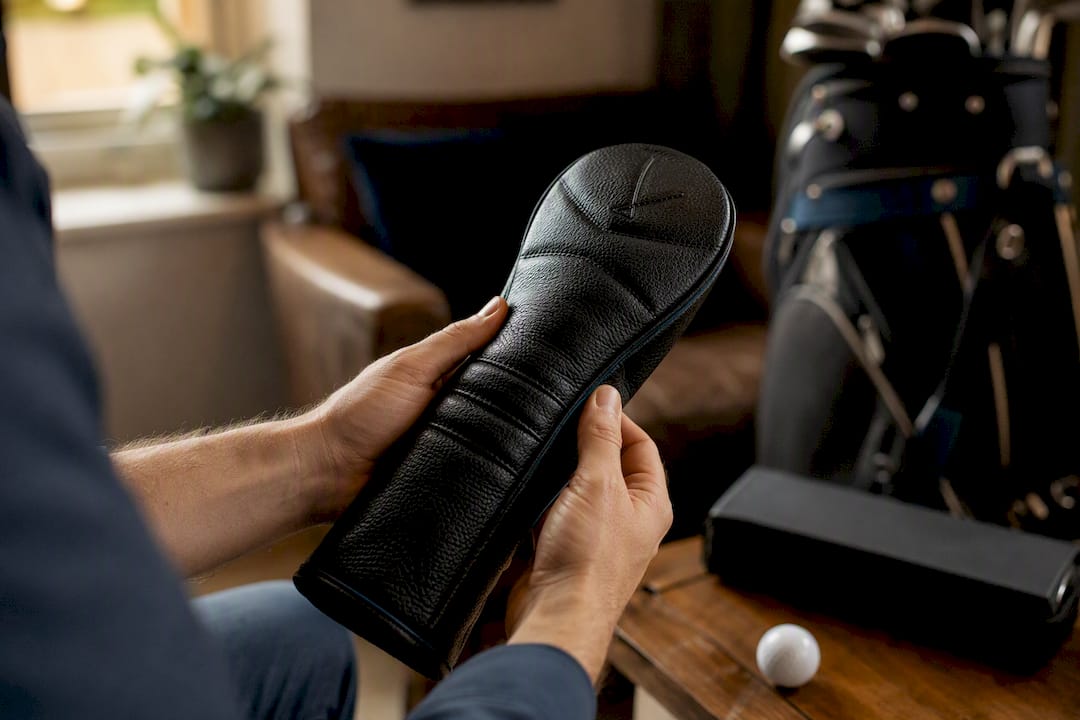
Fit matters as much as material. Modern drivers run up to 460cc, and a cover sized for anything smaller will feel loose and slide off mid-round. Fairway and hybrid covers need a snugger fit since those heads are smaller and more varied in shape. Putter covers split into two camps: blade-style covers for classic shapes, mallet covers for the larger, more geometric heads now common on tour.
Pro Tip: Oversized or heavily padded covers add bulk to your bag and can slow you down when you’re grabbing a club under time pressure. Competitive players tend to favor low-profile leather or knit designs for exactly this reason.
A well-built product page tells you almost everything you need before you click buy. Look for:
- Exact dimensions, not just “universal fit” language
- Multiple close-up photos showing stitching, lining, and hardware
- Review excerpts mentioning fit accuracy, not just looks
- A stated return window and any restocking terms
TaylorMade’s headcover pages do this well, listing material specs and compatibility details alongside several product angles. That level of transparency is what separates a trustworthy listing from a guessing game, and it’s the same standard worth applying whether you’re shopping direct, through a marketplace, or in a pro shop.
Which Style and Personalization Options Fit Your Game?
Picking a headcover style comes down to what you actually want the cover to do beyond protect the clubhead. Here’s how to sort through the options:
- Leather covers suit players who want a tournament-ready look and long-term durability, and they hold up best in a full 14-club bag that sees heavy rotation.
- Knit covers work well for casual rounds and give you more color and pattern variety without the higher leather price tag.
- Novelty designs (animal shapes, mascots, humor pieces) make strong gifts but rarely suit serious competitive play.
- Custom embroidered covers let you add initials, logos, or a course name, and they’re the strongest option for gifting or building a personal set. Expect longer lead times, since production runs custom rather than off a shelf. Our guide to custom embroidered headcovers breaks down typical turnaround windows.
If you’re buying a set, decide upfront whether you want matched novelty pieces or a coordinated premium set, since mixing the two rarely looks intentional.
How Much Should You Budget for a Quality Headcover?
Entry-level covers typically use basic knit or synthetic material with minimal lining. Mid-range covers add better stitching, padded interiors, and more consistent sizing. Premium leather or fully customized covers command a higher price, sometimes considerably more for handcrafted, limited-run pieces.
2nd Swing’s broad SKU range shows this spread clearly, with frequent price drops on older novelty designs sitting next to full-price premium leather covers. Watch for these value markers as you move up in price:
- Reinforced stitching at stress points (the opening seam takes the most abuse)
- A soft interior lining that won’t scratch clubface finishes
- Metal or magnetic closures instead of flimsy elastic
Spending more upfront on leather often saves money over time, since a well-made cover can outlast two or three cheaper replacements. Check our ranked list of premium driver and putter covers for specific examples across price tiers.
How Do You Clean and Store Headcovers Properly?
Cleaning depends entirely on material. Leather needs a damp cloth wipe and an occasional leather conditioner, never a machine wash. Knit covers can handle a gentle spot clean with mild soap, but skip the dryer entirely since heat warps the shape and can shrink embroidery.
- Wipe leather covers down after wet rounds to prevent water spots from setting in.
- Spot clean knit covers with a soft brush and let them air dry flat.
- Store covers off the club in a cool, dry spot to help them hold their shape between rounds.
- When packing for travel, stuff covers loosely with a soft cloth or sock to prevent creasing on embroidery or patches.
Pro Tip: Never leave a leather cover crushed at the bottom of your travel bag. The leather can crease permanently, and a folded patch or embroidered logo rarely bounces back to its original shape.
Why Jaguargolf Stands Out for Premium, Custom Headcovers
Jaguargolf focuses on premium accessories built around two things a lot of covers skip: real personalization and materials that last. Every cover in the lineup is designed to protect equipment without forcing you into a generic look, which matters if you’ve ever dug through a bargain bin only to find the same three designs everyone else owns.
Buying direct from Jaguargolf means fewer middlemen between you and the craftsmanship, tighter quality control on every piece, and a return policy you can actually read without a law degree.
Jaguar Golf’s approach centers on personalized designs, quality materials, and durable protection, built for golfers who want their equipment to look as sharp as it performs.
That combination of style and substance is why the brand keeps showing up in conversations about who does customization right.
Which Headcover Storage Solution Actually Works Best?
Once you own more than two or three covers, storage becomes its own small project. The three common solutions each trade off convenience against protection.
Headcover racks mount to a wall or shelf and keep covers visible and easy to grab. They work great for display and quick access at home, but they do nothing for you on the course or during travel, and covers left exposed can collect dust between rounds.
Bags with built-in dividers solve the on-course problem directly. Slotting each cover into its own compartment stops them from sliding into each other and getting misshapen, and it speeds up club selection since you’re not fishing around blind. The tradeoff is that divided bags cost more and add a bit of bulk if you’re already carrying a full 14-club set.

Display cases make sense mainly for collectors holding onto limited-edition or course-branded covers, like the exclusives found at Pinehurst’s shop. They protect against dust and light damage but aren’t practical for covers in regular rotation, since you’d be swapping pieces in and out constantly.
Most golfers land on a hybrid: a rack at home for the collection, dividers in the bag for what’s actually in play. Matching the solution to how often a cover leaves the shelf, rather than picking one system for everything, saves both money and shelf space.
A Buyer’s Honest Take on Fit and Material
Material and fit decide whether a headcover earns its spot in your bag or ends up in a drawer within a month. A cover that’s slightly loose will slide off during a cart ride; one that’s the wrong material will look worn out before the season ends. My shopping checklist stays simple: confirm the fit spec matches your clubhead, choose leather or knit based on how hard you play, and never buy from a seller without a clear return policy.
Ready to Upgrade Your Bag?
Jaguargolf pairs premium materials with real customization, so your covers protect your clubs and look like they belong to you, not the guy next to you at the range.
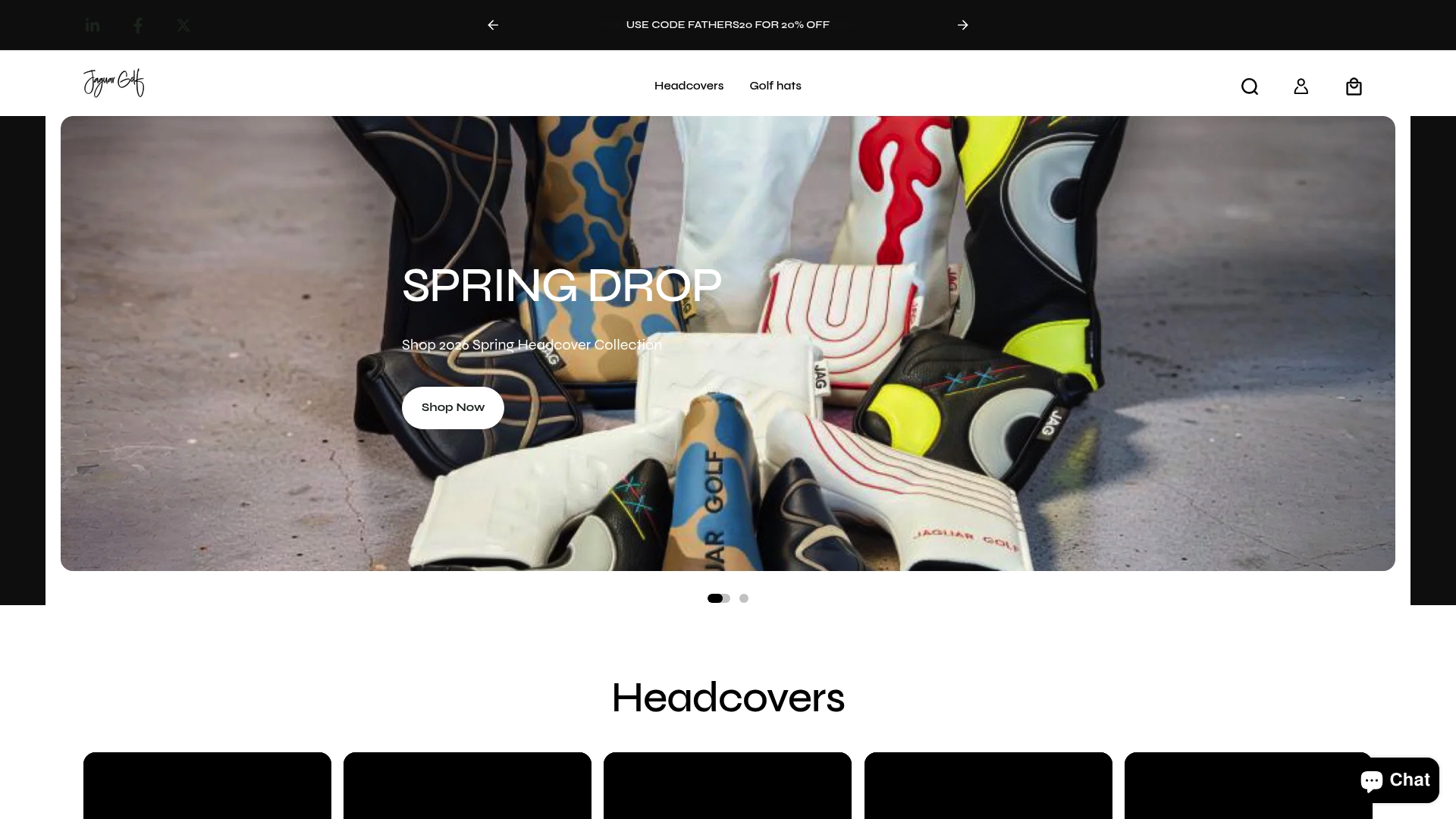
That combination is hard to find once you start comparing generic retail options side by side. Browse the full headcover collection to see current styles, compatibility details, and personalization options, and get a set ordered before your next tee time.
Sources
- Headcovers | TaylorMade Golf
- Shop All Golf Headcovers | 2nd Swing Golf
- Golf Headcovers | Vessel Golf
Recommended
- How to Choose Premium Golf Head covers (And Why Your Bag Deserves Bett – Jaguar Golf
- Best Golf Headcovers 2026: Premium Driver & Putter Covers Ranked – Jaguar Golf
- Custom Golf Headcovers: The Complete Guide to Personalized Club Covers – Jaguar Golf
- Best Headcovers for Golf Drivers and Fairway Woods (What Actually Work – Jaguar Golf


