

Daily players and anyone who stores clubs in a hot trunk benefit most from premium headcovers; occasional players and golfers who travel light can get by with budget covers. A golfer who plays four or more rounds a month puts far more stress on hardware, snaps, and seams than a once-a-month player does. Humid or coastal climates shorten the life of both leather and foam padding, so maintenance habits matter as much as the price tag.
TL;DR:
- For wet or humid courses, neoprene or quick drying synthetics can hold up better than leather, which needs conditioning and careful storage to resist cracking.
- For drivers and fairway woods, choose long neck coverage, padded liners, reinforced seams, and magnetic or elastic closures; slip on designs can loosen during transport.
- Before buying, inspect the inside seam for folded, bound edges and check backing thickness, even stitching, and secure closures, since these parts often fail first.
- A $45 premium cover lasting three seasons costs $15 yearly, matching a $15 budget cover that lasts one season, while offering better protection and appearance.
Table of Contents
- Materials compared: leather, PU leather, neoprene, nylon, and knit
- Protection and fit: construction details that keep clubs safe
- Durability and construction details that separate premium from budget pieces
- Weather resistance and maintenance: cleaning and storage habits
- Style, customization, and novelty: what extra cost buys beyond protection
- Price vs long-term value: amortizing cost over expected lifespan
- Quick recommendations for common buyer profiles
- Why we prioritize certain construction choices
- How we approach premium headcovers at Jaguar Golf
- FAQ
- Sources
Materials compared: leather, PU leather, neoprene, nylon, and knit
Material choice drives protection, weight, and upkeep more than any other spec. Each option trades off differently depending on climate and how often clubs leave the bag.
- Full-grain leather offers strong protection and a premium look but needs periodic conditioning to resist cracking.
- PU leather mimics the appearance of real leather at a lower cost, though it can peel or crack sooner over years of sun exposure.
- Neoprene resists water and absorbs shock well, making it a dependable choice for wet courses or rough handling.
- Nylon and other synthetics stay light and dry quickly after rain, but thinner weaves can abrade against cart frames or trunk edges.
- Knit and novelty covers prioritize style overprotection and usually offer the thinnest barrier against impact.
We’ve found that climate matters as much as the material label. Practitioners who work with both leather and synthetic covers note that leather isn’t always the better pick: in wet or humid regions where conditioning is impractical, synthetics can hold up better over time. A golfer in a dry climate who wipes down gear regularly gets more mileage from leather than someone who leaves clubs in a humid garage.
Protection and fit: construction details that keep clubs safe
Material is only half the equation. How a cover is built determines whether it actually protects the clubhead and shaft during transport.
- Long-neck designs extend coverage down the shaft, which matters most for drivers and fairway woods that take the hardest knocks in a bag or trunk.
- Retention systems vary: elastic closures flex to fit multiple head sizes, magnetic closures snap shut quickly and stay secure, and slip-on covers offer the least resistance to slipping off during transport.
- Padded liners and reinforced seams absorb shock at the point of impact and prevent the stitching from splitting after repeated use.
Some sets use a long-neck elastic design that extends shaft coverage further than expected and adds interchangeable tags for swapping clubs, which shows that price alone doesn’t predict every feature. Our own buyer guide for drivers and fairway woods walks through what to check in product photos before buying, including neck length and closure type.
Durability and construction details that separate premium from budget pieces
Stitching, thickness, and finish are the clearest signs of how long a cover will last. A few visual checks go a long way before you buy.
- Stitching and edge binding: tight, even stitches with bound edges resist fraying longer than loose, exposed seams.
- Material thickness: thicker PU or leather layers absorb more impact and resist punctures from club grooves.
- Embroidery versus printed graphics: embroidered logos hold their shape and color through years of use, while printed designs tend to crack and fade.
- Common weak points on budget covers: thin backing material, unreinforced seams, and closures that lose tension after repeated use.
Premium covers often rely on thicker PU or full-grain leather paired with higher-stitch-count embroidery, which shows up directly in how long the finish holds up. Budget covers commonly skimp on backing and seam reinforcement, which is usually where they fail first.
Pro Tip: Check the inside seam of a headcover before buying: a folded, bound edge wears far better than a raw cut edge.
Weather resistance and maintenance: cleaning and storage habits
How you clean and store a headcover affects its lifespan as much as what it’s made from. Some materials tolerate a quick rinse; others need more care.
- Machine washable materials: most nylon and knit covers tolerate a gentle cycle, while neoprene wipes clean with a damp cloth.
- Leather care: leather needs conditioning to stay flexible and struggles in salt air, where moisture speeds up cracking.
- Waterproofing: a rain hood or added waterproof spray helps leather and PU covers survive wet rounds without soaking through.
- Storage: keep covers dry and out of direct sun to prevent mildew and fading, especially during off-season storage.
We tested waterproof claims across cover types in our post on whether golf headcovers are really waterproof, which breaks down which materials held up best under sustained moisture.
Pro Tip: Let a wet headcover air dry completely before storing it in a bag; sealing in moisture is the fastest way to grow mildew.
Style, customization, and novelty: what extra cost buys beyond protection
Premium pricing often reflects personalization and finish rather than added protection. These extras appeal to golfers who treat headcovers as part of their on-course identity.
- Personalization options include embroidered initials, patches, and custom artwork that turn a cover into a one-off piece.
- Finish and fit on premium covers tend to sit more snugly and look more polished in photos and in the bag.
- Novelty and licensed designs are often purely aesthetic purchases, chosen for look rather than added club protection.
Novelty covers can carry real collector value beyond the course. Tiger Woods’ tiger headcover became one of golf’s most recognizable accessories after commercial demand pushed it into large-scale production, showing how a novelty design can build lasting cultural and resale interest. For golfers drawn to that collector angle off the course, pieces like this metallic blue golf sculpture show the same novelty appeal applied to home decor. Our own design styles for 2026 page covers current personalization trends in more depth.
Price vs long-term value: amortizing cost over expected lifespan
Comparing sticker price alone misses the real cost of a headcover. Dividing price by expected years of use gives a clearer picture.
- Say a budget cover costs $15 and lasts one season: that works out to $15 per year of use.
- Say a premium cover costs $45 and lasts three seasons: that works out to $15 per year as well, with better protection and appearance along the way.
- A golfer who plays weekly puts more wear on a cover than one who plays monthly, which shortens the budget cover’s lifespan and tilts the math toward premium.
The more rounds a cover sees per year, the faster a cheaper option reaches its replacement point, which narrows or erases any upfront savings.
Quick recommendations for common buyer profiles
Daily players should look for premium covers with reinforced seams, thick PU or leather, and a secure magnetic or elastic closure. Occasional players get solid value from budget or neoprene covers that cost less upfront and still hold up under lighter use. Travelers need a padded, long-neck design with a closure that won’t loosen in transit. Style-first buyers who want embroidery, patches, or custom artwork are better served by premium or made-to-order pieces built for that purpose.

Why we prioritize certain construction choices
Stitching and backing specs have been adjusted more than once based on customer feedback about covers loosening after heavy use. That feedback drove thicker reinforcement at stress points and closures built to hold tight through a full season of regular play.
— Josh
How we approach premium headcovers at Jaguar Golf
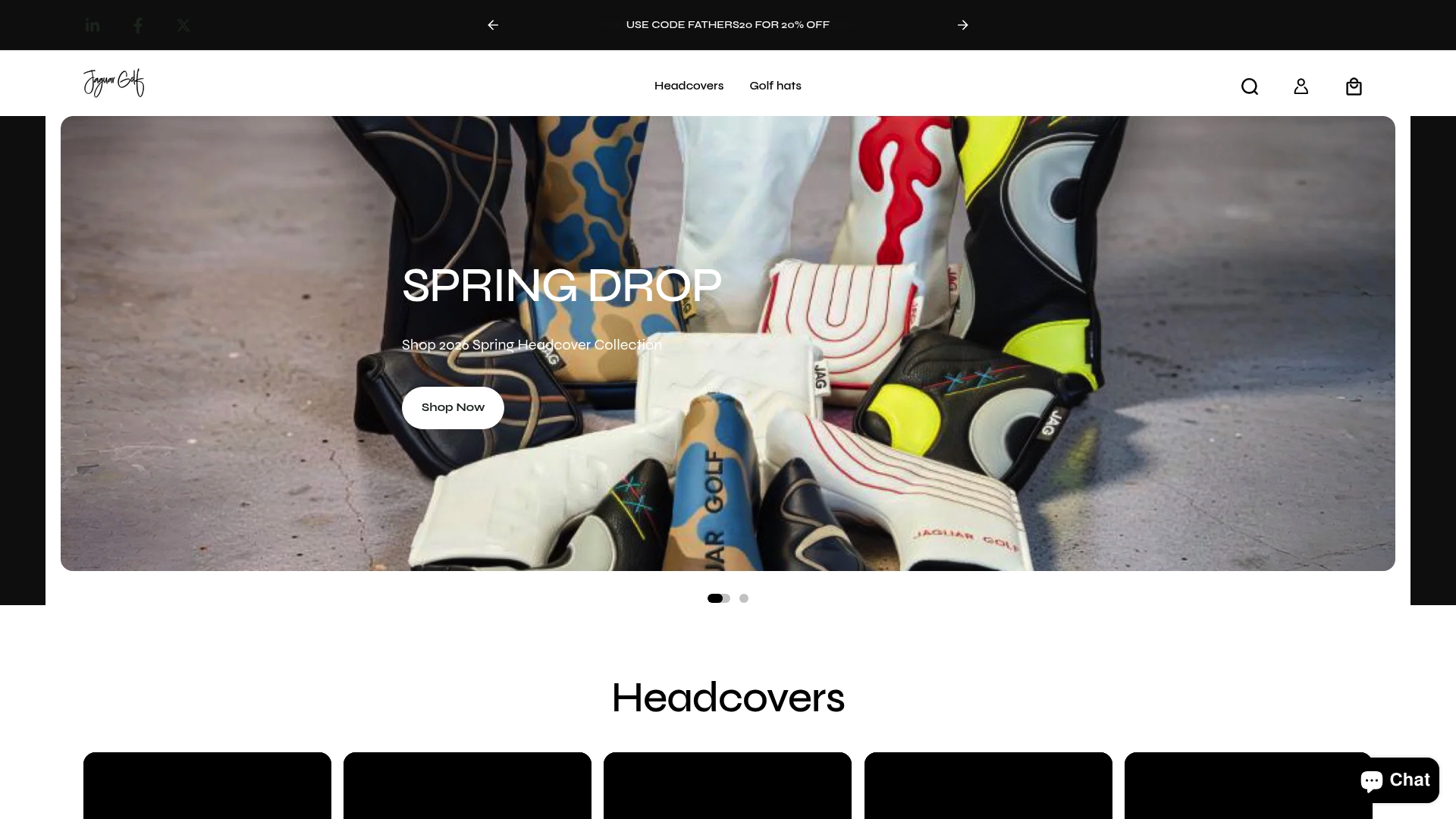
We build our headcovers around the same priorities covered above: thicker materials at stress points, snug retention, and finish that holds up to regular use. Our collections let you match construction to how you actually play.
- Driver Headcovers built for long-neck shaft coverage.
- Fairway Headcovers sized for a secure, snug fit.
- Mallet Putter Headcovers with personalization options for golfers who want a distinct look.
Browse the current lineup and reach out with questions before you order.
FAQ
What are the best brands of headcovers?
Quality varies by material and construction rather than brand alone, so the stronger signal is thick backing, reinforced seams, and secure closures. Premium craftsmanship and personalization are worth comparing against mass-market budget options on those same construction points.
What is Rory McIlroy’s head cover?
Specific tour player headcover choices aren’t publicly detailed in a way we can confirm here. In general, tour pros often use novelty or custom designs tied to sponsors or personal branding rather than standard retail covers.
What headcovers does Tiger Woods use?
Tiger Woods is closely associated with a tiger-shaped headcover that became one of golf’s most recognizable accessories after commercial demand drove large-scale production. That popularity turned it into a sought-after collector’s item well beyond its use on the course.
What is Scottie Scheffler’s driver head cover?
Specific details about Scottie Scheffler’s current driver headcover aren’t publicly listed in a source we can verify here. Tour players typically rotate between sponsor-branded and novelty designs throughout a season.


