

The fastest way to build a coordinated, premium-looking bag is to pick one motif or logo and repeat it across the driver, fairway, hybrid, and putter covers, keeping materials and colors consistent. Check fit on each clubhead before buying a full set. A mismatched silhouette undoes a matched palette faster than any color choice.
TL;DR:
- Consistent motif scaling reduces visual clutter, with larger designs on driver covers and smaller repeats on hybrids and fairways.
- Leather offers a premium appearance and durability, while knit and neoprene provide casual alternatives that require different care routines.
- Using one primary color with one or two accents helps create a cohesive set that matches well across different materials and brands.
- Custom sets are recommended for nonstandard club configurations or color schemes, with options to preview samples before ordering.
- Proper cleaning and storage, especially conditioning leather and air drying knit or neoprene, extend the matched appearance of a headcover set over time.
Table of Contents
- Examples and thematic starting points for a matched set
- Materials and construction that shape look and durability
- Building a cohesive color and pattern palette
- When to customize: ordering personalized or coordinated sets
- Care and maintenance to keep a set looking matched
- Rules note: competition and attachments under USGA guidance
- Jaguar Golf expertise: design priorities and real-world tips
- Mixing headcovers from different brands without losing coordination
- Matching headcovers to your bag and gear aesthetic
- Quick perspective: style versus statement on the course
- Jaguar Golf option: coordinated sets and custom orders
- FAQ
- Sources
Examples and thematic starting points for a matched set
A few repeatable combinations cover most style goals and budgets.
- Crest repeat: the same logo or crest on tonal leather across driver, fairway, and hybrid, with a plain leather putter cover to anchor the set.
- Argyle knit set: a classic argyle pattern in two colors on all woods, paired with a solid-color knit putter cover for contrast.
- Flag motif with neutral putter: a bold flag or national design on the driver and fairway, balanced by a solid or low-key putter cover.
- Animal or novelty accents: a tonal base material with a single novelty detail, such as stitched ears or a face design, kept to one or two clubs rather than the whole set.
Motif scale should shrink as the club gets smaller. A driver cover can carry a large crest or pattern since it has the most surface area, while fairway and hybrid covers read better with a scaled-down version of the same design. Putter covers, given their smaller, more visible shape near the green, usually work best as a solid color or a minimal logo rather than a busy pattern. For a budget-friendly swap, keep the same color palette but drop from leather to knit, or rotate a single seasonal accent piece instead of replacing the whole set. The design styles guide covers more of these pairings in detail.
Materials and construction that shape look and durability
Material choice affects appearance, feel, and how well a set holds up over a season of play.
- Leather reads premium and ages well with regular conditioning, making it a strong choice for a formal or tonal set.
- Knit offers a classic, textured look but needs gentler cleaning and air drying to avoid stretching.
- Neoprene is durable and handles weather well, though it tends to read more casual than leather or knit.
- Novelty materials, like faux fur or molded accents, add personality but are best used sparingly on one or two covers.
Padding and lining matter as much as the outer material. A well-padded cover keeps its shape over time, which helps the whole set look consistent rather than having one cover sag while others stay crisp. For a cohesive, premium result, match materials across the clubs that get the most visual attention, typically the driver and fairway, even if the putter cover uses a simpler fabric. The guide to driver and fairway covers breaks down fit and function by club type.
Pro Tip: Match leather grain or knit weave across covers, not just color, since two different textures in the same shade can still look mismatched.

Building a cohesive color and pattern palette
A coordinated set usually starts with one primary color and one or two accents, not a full spectrum.
- Pick a primary color for the body of each cover, then add one or two accent colors for stitching, logos, or trim.
- Keep the putter cover solid or minimal so it does not compete with the driver and fairway for attention.
- Use pattern scale deliberately: larger motifs on the driver, smaller repeats on the fairway and hybrid, and little to no pattern on the putter.
- Choose contrast accents, like a bright logo on a dark base, for a bolder statement, or stick to tonal shades of the same color for a refined, quieter look.
Tonal sets tend to photograph and travel better since there is less room for an off-color accent to clash. Contrast sets stand out more on the course but require more care to keep the accent color consistent across every cover in the bag.
When to customize: ordering personalized or coordinated sets
Ready-made sets do not always cover every club combination or color request, which is where a custom order fills the gap. Players with nonstandard club mixes, a specific team or corporate color scheme, or a colorway that no retail set offers usually end up ordering custom.
- List every club that needs a cover, including head size and shape for drivers and putters.
- Choose or confirm colors and materials, and request a proof or sample photo before production starts.
- Decide on lining and padding preferences, since these affect both protection and fit.
- Confirm turnaround time, total cost, and the return policy before placing the order, since these details vary by seller.
The custom headcover guide and the design ideas resource both walk through this process with more detail on fit and file preparation.
Care and maintenance to keep a set looking matched
Keeping a coordinated set looking consistent over time comes down to cleaning and storage habits that match the materials involved.
- Condition leather covers occasionally to prevent cracking and keep the color even across the set.
- Spot-clean knit covers and let them air dry rather than machine washing or wringing them.
- Rinse neoprene covers when needed and let them air dry fully before storing.
- Remove wet covers right away to prevent odor and lining damage that can shorten a cover’s life.
Pro Tip: Keep lined covers stuffed with a cloth or sock when stored so they hold their shape instead of going flat between rounds.
If one cover in a set wears out, matching materials and color to the original is usually easier and cheaper than replacing the whole set, unless the color or pattern has been discontinued.
Rules note: competition and attachments under USGA guidance
Ordinary removable headcovers are standard equipment and do not raise conformity concerns under the rules. The USGA Equipment Rules note that semi-permanent attachments can raise questions if they protrude excessively or alter the shape of the clubhead itself, since the concern is whether an attachment changes performance or the head’s profile, not whether a cover matches the rest of the bag.
Rule 2 interpretations add that decorative or protective additions to the head must stay subtle, while permanent additions are treated as part of the clubhead and must meet dimension rules on their own. Tournament players who use unusual attachments, such as sculpted or oversized decorative pieces, should remove them before a competitive round or check with the local Rules Committee first, as detailed in this Golf Tournament Planning Checklist. The equipment rules explainer covers more of this guidance for players preparing for sanctioned play.
Jaguar Golf expertise: design priorities and real-world tips
The headcovers are built around personalized designs, material quality, and construction that protects clubs without sacrificing style. That approach shapes a few practical checks worth running on any set: pull the cover snug over the hosel to confirm a secure fit, request matching trim and stitching details across clubs, and check that lining and padding feel even from one cover to the next. A set that passes these checks tends to look coordinated up close, not just from a distance.
Mixing headcovers from different brands without losing coordination
A fully matched set is not always available from one source, and mixing brands can still work if a few rules guide the choices. Color is the easiest thread to carry across brands: picking one dominant color and sticking to it, even if the logos differ, keeps the bag from looking random. Material consistency matters almost as much. Pairing leather covers from one brand with leather covers from another tends to look intentional, while mixing leather with neoprene often reads as mismatched, even in the same color.
Logo size and placement are worth checking before buying from multiple sources. A large, bold logo from one brand next to a subtle, minimal mark from another can throw off the visual balance of the set, even when the colors line up. Keeping accent details, like stitching color or trim, similar across brands helps smooth over small differences in logo style.

For players building a set piece by piece, starting with the putter cover first can help, since it is usually the simplest piece to match generically. From there, driver and fairway covers from other brands can be chosen to complement that base color rather than trying to match an exact pattern. A tonal, solid-color approach is generally more forgiving for brand mixing than a busy pattern, since solids are easier to color-match across different manufacturers and material batches.
Matching headcovers to your bag and gear aesthetic
A golf bag’s color is often the starting point for the whole set, since it is the largest, most visible piece of gear on the course. A black or navy bag pairs well with tonal leather covers in the same family, or with a single bright accent color repeated across each cover for contrast. A lighter bag, in tan, white, or gray, tends to suit pastel or muted accent colors better than high-contrast or neon combinations.
Beyond the bag, matching extends to hats, gloves, and even towel colors for players who want a fully coordinated look. A simple approach is to pick one accent color from the bag or headcover set and repeat it in just one or two other pieces, rather than trying to match everything exactly. Overmatching every item can look stiff, while one consistent accent color ties the look together without overdoing it.

Seasonal or thematic touches, like a flag design for a holiday weekend or a brighter palette for summer rounds, can be layered onto a neutral base set without requiring a full replacement. Swapping one or two pieces, such as a driver cover or a hat, is often enough to refresh the look while keeping the rest of the coordinated set intact.
Quick perspective: style versus statement on the course
Cohesive leather or tonal sets suit formal rounds and events, while mixed or novelty covers fit casual play better.
If you want a dependable starting point for a coordinated set, driver and fairway headcovers built around that same tonal approach can be a good choice.
— Josh
Jaguar Golf option: coordinated sets and custom orders
There are catalogs that cover driver, fairway, blade putter, and mallet putter headcovers, along with hats, built around personalized designs and materials chosen for both look and durability. For readers who have worked through the palette and material steps above and want a set that already matches, such catalogs can reduce the guesswork of hunting down compatible pieces across different brands.
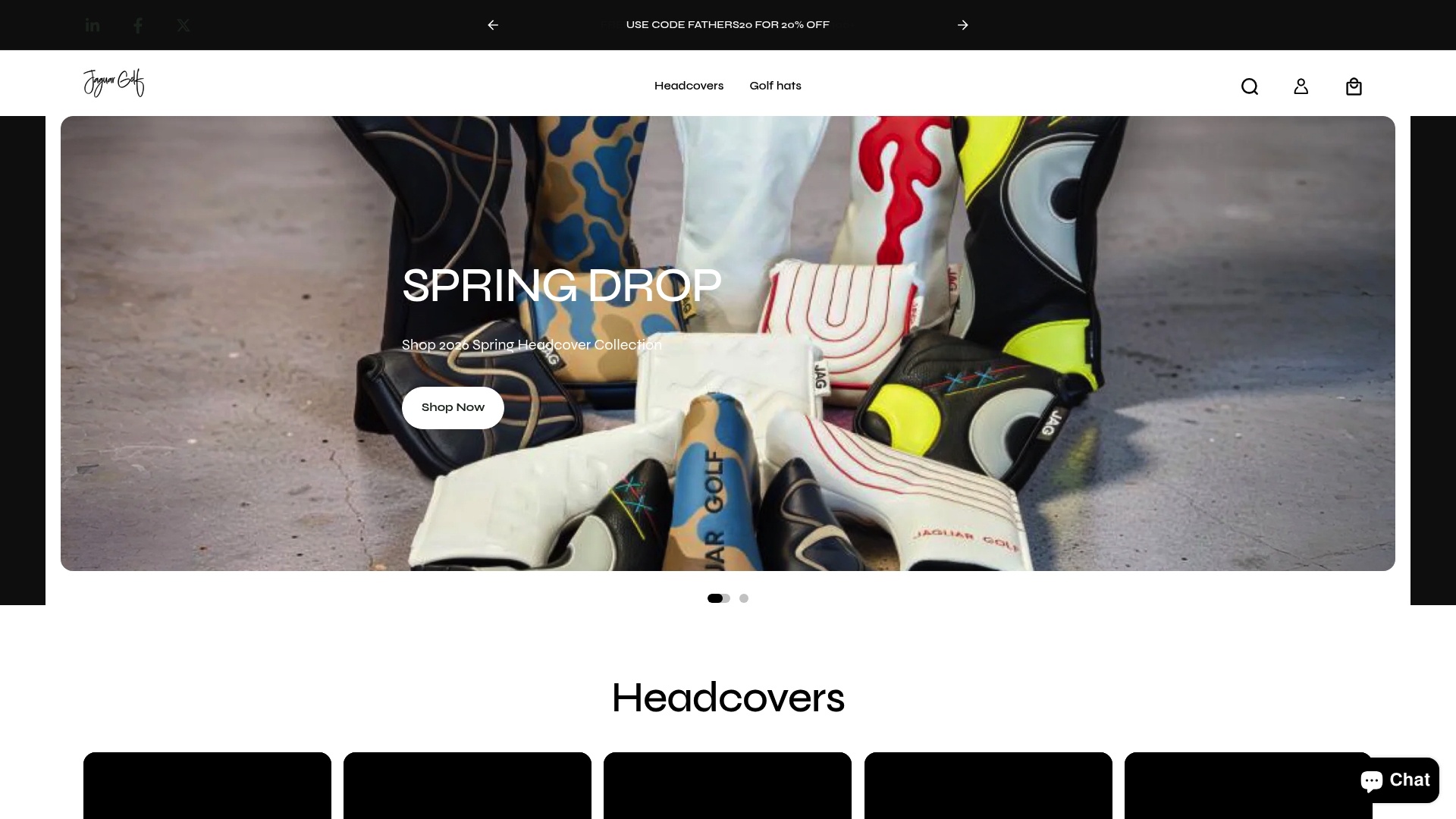
- Browse the full headcover collection to see current driver, fairway, and putter options.
- Check the driver headcovers and fairway headcovers pages for pieces that pair directly.
- Complete a set with the mallet putter headcovers collection for a matched finish.
- For a colorway or club mix no ready-made set covers, Jaguar Golf’s custom options follow the same checklist outlined earlier in this guide.
Prices for Jaguar Golf products are listed on each collection page rather than quoted here, so check the current listing before ordering.
FAQ
What is headcover coordination?
Headcover coordination means choosing driver, fairway, hybrid, and putter covers that share a consistent color, material, or motif so the whole set looks like it belongs together. It usually starts with one primary color or logo and repeats it with varying scale across the clubs.
Can I mix headcovers from different brands?
Yes, as long as the colors and materials stay consistent across the covers, mixing brands can still look coordinated. Matching material type, such as leather with leather, and keeping to one dominant color makes brand differences less noticeable.
Are decorative headcovers allowed in tournament play?
Ordinary removable headcovers are accepted under the USGA Equipment Rules, since they do not change club performance. Semi-permanent or unusual attachments that protrude or alter the clubhead shape can raise conformity questions, so check with the local Rules Committee if unsure before a competitive round.
How do I order a custom-coordinated headcover set?
Start by listing every club that needs a cover, then choose colors, materials, and lining, and request a sample or proof before production begins. Jaguar Golf’s custom headcover guide walks through this process, including turnaround and fit considerations.
What material lasts longest for golf headcovers?
Leather tends to hold up well with occasional conditioning, while neoprene resists weather better but reads more casual. Knit offers a classic look but needs gentler cleaning, so the best choice depends on how much maintenance you want to do.


