

The most reliable way to stop a headcover from flying off mid round is multi-point retention: a contoured shell that hugs the club shape, dual internal cinching at the crown and shaft neck, and a quality magnetic or engineered closure holding it all shut. Some premium golf headcovers are built around this combination. The sections below break down each method, the failure points that cause covers to eject, and a checklist for choosing (or fixing) a system that actually holds.
TL;DR:
- Dual internal elastic cinching at both the crown and shaft neck provides the most secure fit for oversized golf driver heads.
- Magnetic closures outperform velcro by maintaining grip over years without debris buildup, reducing headcover loss.
- Replacing worn interior elastic or adding a liner can temporarily improve fit on loose covers without full replacement.
- Contoured shells made of structured materials like PU leather sustain shape longer than knit fabric, enhancing retention.
- Regularly inspecting elastic tension and seam integrity prevents failures caused by elasticity degradation or shell deterioration.
Table of Contents
- What Are the Main Headcover Retention Methods?
- Why Do Headcovers Keep Falling Off?
- How to Choose a Headcover Retention System
- Do Materials and Liners Really Affect Retention?
- Quick Fixes to Improve Retention Right Now
- How Do You Maintain Retention Features Over Time?
- A Maker’s View on What Separates a Good Cover From a Great One
- Get a Headcover Built Around Real Retention
- Sources
- FAQ
What Are the Main Headcover Retention Methods?
Most headcovers rely on one of a few core mechanisms, and knowing which is which helps you spot quality on a shelf or a product page in seconds.
- Dual internal elastic / multi-point cinch: two separate elastic bands, one near the crown and one at the shaft neck, grip the club at two points instead of one. This matters because a single grip point lets the head rock loose during a cart ride, while dual internal elastic bands secure both ends at once.
- Magnetic closures: strong magnets snap the opening shut and hold up over years of use without weakening.
- Hook-and-loop (velcro): cheap and adjustable early on, but it collects lint and grass debris that reduces grip fast.
- Structured, contoured shells: built to the actual curve of a 460cc driver head rather than stretched over it like a knit sock.
- Patent-backed pull-strap systems: engineering documented in detachable pull-strap patents shows multi-leg straps and snap fasteners designed for secure, removable attachment points, an alternative approach some makers use instead of or alongside elastic cinching.
Why Do Headcovers Keep Falling Off?
Before you blame the cover, figure out which failure mode you’re actually dealing with. Most losses trace back to one of these four causes.
- Elastic degradation: internal elastic bands stretch out and lose tension over months of heat, cold, and repeated pulling. This is the single most common reason a cover that used to fit snug now slides loose.
- Seam stress: when a shell isn’t contoured to the club, the fabric bunches and pulls at the seams every time you remove or replace it, which weakens stitching over a season.
- Cart ejection on oversized heads: an oversized driver head is wide and slick. If the cover’s opening doesn’t cinch at two points, the vibration of a cart ride is often enough to walk the cover right off the club.
- Closure wear: velcro fills with lint and grass clippings until it barely grips, while cheap magnets can shift out of alignment if the fabric around them isn’t reinforced.
Knit covers tend to stretch permanently once the yarn loosens, while structured covers usually hold their shape longer but can crack or split at stress points if the shell material is thin.
How to Choose a Headcover Retention System
Picking the right cover comes down to four checks, and skipping any one of them is how golfers end up buying the same failing design twice.
- Test the fit on your actual club. Slide the cover on your driver, fairway wood, or hybrid and check whether the crown-to-neck contour matches your specific head shape, not just a generic size label.
- Match it to how you play. Walkers dealing with less vibration can get away with lighter retention, but cart-heavy rounds and frequent air travel demand dual-point cinching and a durable closure.
- Look for durability signals. Reinforced seams, a structured shell material, and a quality liner all point to a cover built to survive repeated on-off cycles, not just look good on day one.
- Weigh convenience against security. Magnetic closures are faster to use one-handed, while snap or clip systems can be more secure but slower to operate between shots.
Pro Tip: Don’t crank the elastic tighter than it needs to be. Over-tightening a cinch to compensate for a poor shape match adds constant tension on the seams, which speeds up the exact elastic degradation and stitching failure you’re trying to avoid.
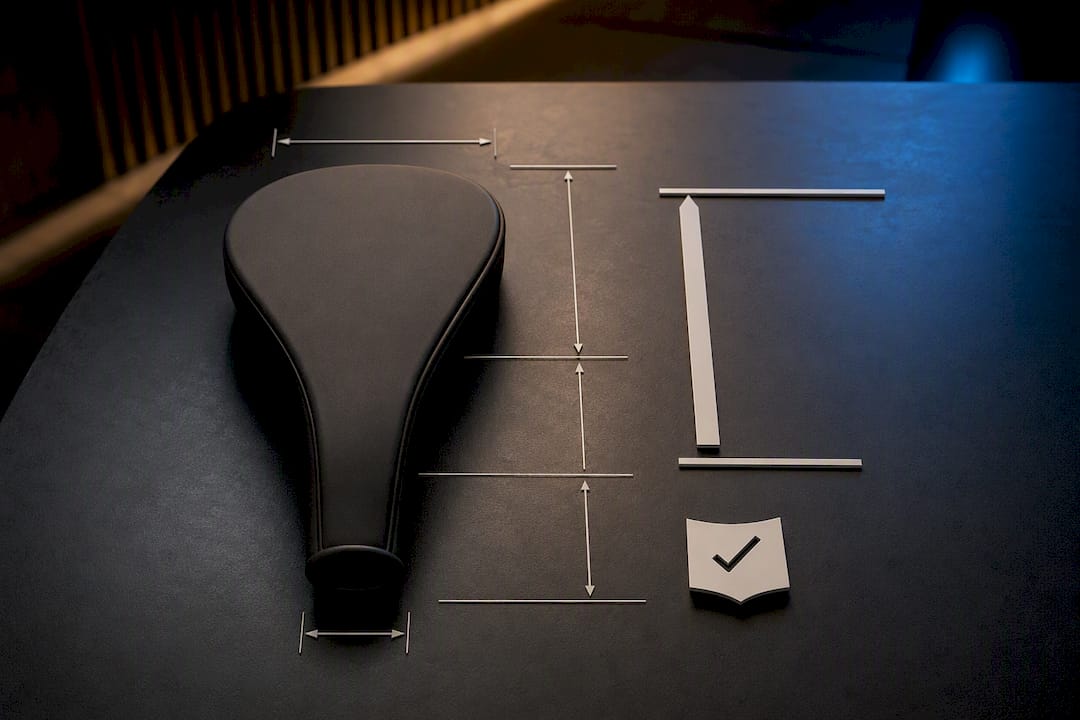
Checking a driver headcover size guide before buying saves you from guessing at dimensions for oversized modern heads.
Do Materials and Liners Really Affect Retention?
Yes, and the difference shows up faster than most golfers expect. The shell material and interior liner work together with the closure system, not separately from it.
- PU leather and structured shells hold their shape better than knit fabric and put less ongoing tension on seams, according to analysis of headcover protection and fit.
- Plush fleece or sherpa liners protect the clubhead finish from scuffs and also create light friction against the metal, which helps the cover sit snugly without relying purely on elastic tension.
- Dual internal elastics distribute grip across two points, while a single elastic sleeve concentrates all the holding force at one spot, which is exactly why single-sleeve covers tend to slip on oversized driver heads.
- High-quality magnets outperform velcro for long-term use because they don’t degrade from lint or debris, a point backed by roundup testing of magnetic closures.
Snaps and clips still earn their place on putter covers and smaller head shapes, where a magnet’s pull strength isn’t necessary and a mechanical fastener adds extra security for travel.
Quick Fixes to Improve Retention Right Now
If your current cover is loose but not ruined, a few safe adjustments can buy you another season before replacement.
- Add a secondary band. A thin hair bungee or tension band wrapped around the shaft neck over the existing cover works as backup retention during cart rounds, without any permanent modification.
- Refresh the interior. Replacing worn interior elastic or hand-stitching in fresh elastic gathers, a technique used in DIY headcover sewing tutorials, restores grip on an otherwise good cover.
- Reinforce with a liner. Adding a thin fleece liner increases friction against the clubhead and reduces the tension needed from elastic alone.
Pro Tip: If the seams themselves are separating or the shell has lost its shape, stop patching and replace the cover. A weakened structure will keep stressing any new elastic or magnet you add, so the fix won’t last.
How Do You Maintain Retention Features Over Time?
Small habits protect the retention system just as much as the cover’s original design.
- Clean gently. Wipe PU leather exteriors with a damp cloth, spot-clean liners, and air-dry fully. Skip the washing machine unless the product specifically says it’s safe.
- Store smart. Leave covers on clubs in the bag when possible to help them hold their shape, and avoid cramming them into tight travel cases that compress the shell.
- Check periodically. Test the elastic tension and closure grip every few months, and inspect seams for early separation so you can repair or replace before a full failure on the course.
A Maker’s View on What Separates a Good Cover From a Great One
Some designers focus on contoured shapes, plush interior liners, and engineered retention details because those three elements reinforce each other. A liner without a matching contour just shifts around inside the shell. A tight elastic without a proper liner wears out faster because it’s doing all the work alone.
Josh, who writes on the Jaguar Golf blog, points to a simple fit check every golfer should run: slide the cover on and off your actual driver five or six times before trusting it on the course. If it feels like you’re fighting the fabric, or if you find yourself yanking the elastic tighter to compensate, that’s a sign the contour doesn’t match your head shape, not a sign to force it.
— Josh
Get a Headcover Built Around Real Retention
Everything in this guide points to the same combination: a contoured shell, dual internal cinching, a plush liner, and a closure that won’t wear out in a season. That’s not a wish list. It’s the actual design specification behind every Jaguar Golf headcover, built so you’re not troubleshooting elastic failure or hunting for a lost driver cover in the cart barn.

Whether you’re outfitting a driver, fairway wood, or a full set, Jaguar Golf’s driver and fairway headcover lineup and personalized cover options are built to the same retention standard covered here. Browse the current lineup and pick the fit that matches your bag.
Sources
- Patent: Headcover detachable pull strap embodiments (patent lrv5qs5rybw59zxnfg7w55)
- Why Golf Club Head Covers Matter More Than You Think (Caddytek)
- Best golf headcovers roundup (Sunday Golf)
FAQ
What Is the Best Headcover Retention System for a 460cc Driver?
A contoured shell with dual internal elastic cinching at the crown and shaft neck, paired with a magnetic closure, holds best on oversized modern driver heads.
Why Does My Headcover Keep Falling Off in the Cart?
Cart vibration combined with a single-point grip or worn elastic lets oversized driver heads eject easily; dual-point cinching addresses this directly.
Are Magnetic Closures Better Than Velcro for Headcovers?
Yes, magnetic closures generally outperform velcro over time because they don’t collect lint or lose grip from debris buildup.
Can I Repair a Headcover’s Retention Instead of Replacing It?
Worn interior elastic can often be replaced or reinforced at home, but if the outer seams are separating or the shell has lost its shape, replacement is the more reliable fix.
Does Jaguar Golf Make Headcovers With Multi-Point Retention?
Some headcover makers design products with contoured shells, plush liners, and engineered retention details built around multi-point cinching principles.


