

Using the same, competition-ready kit in practice and matches measurably reduces variability, preserves muscle memory, and keeps equipment behavior predictable when it counts most. Three steps you can take today: train in your match kit, standardize every placement and fit point, and pack verified spares before every event. The mechanisms and evidence behind each of these steps are covered in full below.
Key Takeaways
Consistent gear reduces performance variability by preserving muscle memory, standardizing ergonomic cues, enabling targeted maintenance, and providing psychological priming that frees attention for execution.
| Point | Details |
|---|---|
| Train in your match kit | Muscle memory encodes to specific physical inputs; training in different gear creates a sensory gap on match day. |
| Phase in new gear over 6–12 weeks | Athletes and coaches report performance drops when switching brands close to competition; a phased protocol with baseline testing protects readiness. |
| Run a 60-second pre-match check | Three full-speed reps in full kit before committing to any piece of gear catches failures before they occur in competition. |
| Maintain on a fixed interval | Replacing springs, screws, and worn midsoles proactively prevents match-day failures that look like technique errors. |
| Jaguargolf for competition-ready protection | Jaguargolf’s golf headcovers protect clubs during travel and match weekends, keeping equipment in consistent, competition-ready condition. |
The case for disciplined gear management over gadget chasing
The athletes who perform most consistently under pressure are rarely the ones with the newest equipment. They are the ones who know their equipment completely. Every screw, every wear indicator, every placement point. That knowledge comes from repetition with the same kit, not from cycling through options.
A personal pre-match checklist worth adopting:
- Kit configured identically to last successful training session? Yes or no.
- All fasteners torque-checked within the last 48 hours? Yes or no.
- Verified spare of the highest-risk item packed? Yes or no.
- Consumables counted and confirmed? Yes or no.
- One change maximum authorized if something fails? Noted.
The discipline is not in buying better gear. It is in knowing your gear well enough to trust it completely when the pressure is highest. Test systematically, log everything, and resist the pull of new options until the timing is right.
Table of Contents
- Why consistent gear matters in competition: the core mechanisms
- What gear consistency looks like across different sports
- How to build a repeatable, competition-ready gear routine
- How to keep kit predictable through maintenance and durability checks
- How to change or upgrade gear without hurting your performance
- What the research says about supportive gear and performance
- Common mistakes athletes make with gear before a match
- Jaguargolf: built for athletes who take equipment seriously
- Sources
Why consistent gear matters in competition: the core mechanisms
Consistent gear works through four distinct pathways. Understanding each one tells you exactly where variability enters your performance and how to close that gap.
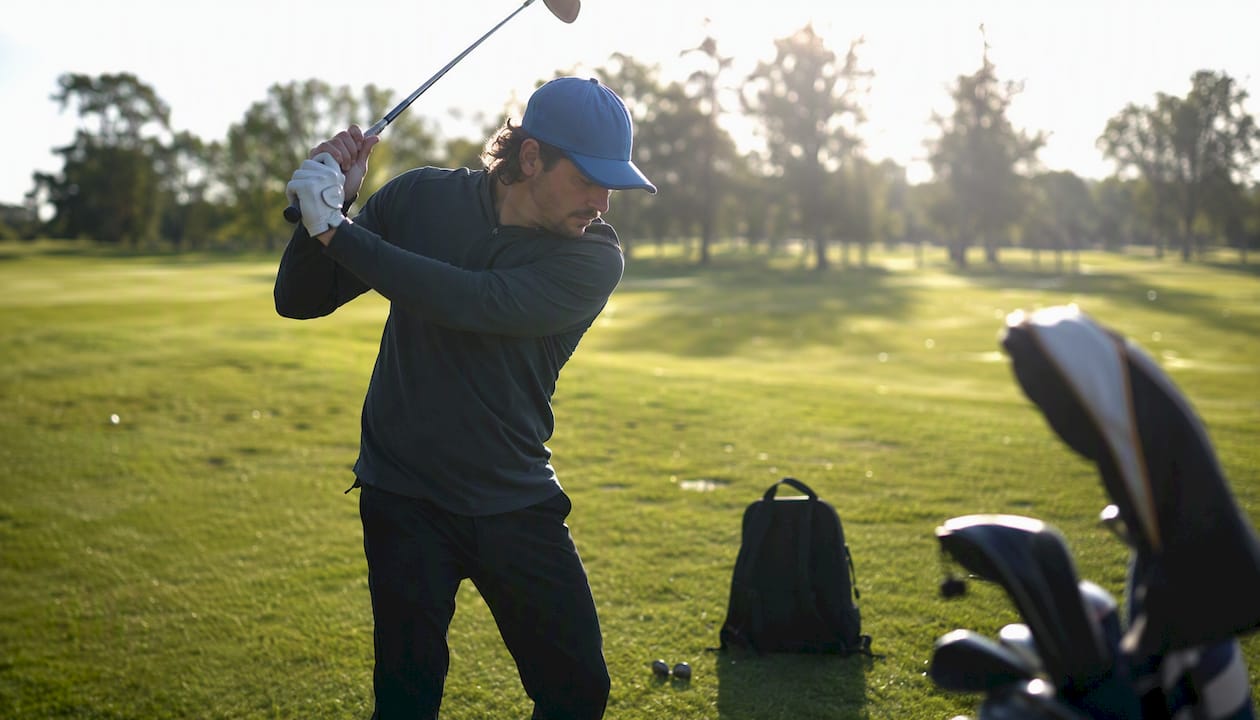
Muscle memory and sensorimotor integration. Your nervous system learns movement patterns tied to specific physical inputs: the weight of a firearm, the grip diameter of a barbell, the flex point of a shoe. Change any of those inputs and the stored motor program no longer matches the new stimulus. The result is execution variance, not a skill deficit. Repeated training with the same mass, grip, and interface encodes a precise movement template. Swap the equipment and you are, in effect, retraining from a partial baseline.
Ergonomics and placement. Where gear sits on your body matters as much as what the gear is. A holster mounted 2 mm higher than your training position adds an indexing error on every draw. A belt that sits differently under a lifting suit changes the cue your body uses to set depth. Consistent placement shortens access time, reduces indexing errors under stress, and keeps the sensory cues your body relies on in the right location. Practical guidance for competitive pistol shooters identifies standardized holster and belt setup as a primary lever for reducing match-time malfunctions.
Reliability and failure modes. Familiar equipment is easier to pre-check because you know its normal state. You know which screw tends to back out, which spring shows wear first, which strap frays at the buckle. That knowledge lets you run a targeted inspection rather than a generic one, and it lets you predict failure before it happens in a match. Equipment reliability research from the National Academies frames this as an uptime problem: preventive maintenance on known components outperforms reactive repair on unfamiliar ones.
Psychological effects. Research on enclothed cognition shows that wearing gear associated with a specific role or performance context activates the mental state tied to that context. Familiar kit signals “competition mode” to the athlete. That signal reduces pre-match anxiety, shortens the mental warm-up, and frees attentional resources for execution rather than adjustment. Wearing the same headcover, hat, or apparel item you associate with good rounds is not superstition. It is a documented priming effect.
- Muscle memory encodes to specific physical inputs, not abstract movement patterns.
- Placement consistency reduces indexing errors and access time under stress.
- Familiar gear enables targeted pre-checks rather than generic inspections.
- Psychological priming from familiar kit reduces anxiety and frees attention.
Pro Tip: Run your first few reps of every training session with your eyes closed. If your draw, grip, or setup feels different from your match kit, that sensory gap is exactly what will cost you time or reps under competition stress.
What gear consistency looks like across different sports
The principle is the same across disciplines. The application differs by sport.
Shooting sports
Belt and holster placement is the single highest-leverage variable for competitive pistol shooters. A holster that shifts between training and match day changes your draw angle, your grip acquisition, and your split times. Optic mounting adds a second layer: small adapter plate screws can back out under recoil, introducing micro-movement that accumulates across a stage. Magazine indexing, the exact position and orientation of spare magazines on your belt, affects reload speed the same way holster position affects draw speed.
Competitive pistol shooting guidance recommends a short pre-match hardware check covering torque on optic screws, holster retention tension, and magazine seating. Ammunition choice belongs in the same consistency framework: switching loads between training and competition changes felt recoil, which changes your follow-through.
- Standardize holster cant, ride height, and retention tension across every session.
- Torque-check optic screws and adapter plates before each match.
- Train with the same ammunition you will use in competition.
Pro Tip: Mark your holster mounting screws with a paint pen after final setup. Any rotation of the mark tells you the screw has moved before you ever feel the shift in your draw.
Strength sports
In powerlifting, supportive gear directly changes measurable outputs. A cross-sectional analysis of world championship and record lifts found that equipped divisions produced significantly higher maximal loads in squat and bench press compared to RAW divisions, with large effect sizes reported for those lifts across 120 lifters. The practical implication: the gear itself is a performance variable, not just a comfort item. Changing brands or cuts close to a meet disrupts the learned interaction between your body and the equipment.
Experienced equipped lifters and coaches consistently report performance drops when switching gear brands near competition. A controlled break-in plan, wearing the suit or briefs at progressively higher intensities across 6–8 weeks, lets the material conform to your leverages and lets your body learn the gear’s feedback cues before the meet.
Field athletics and court sports
Footwear is the primary consistency variable here. Midsole compression changes across a shoe’s lifespan, altering ground contact time, energy return, and joint loading. Rotating two or three pairs of the same model across a training block spreads wear evenly and keeps the underfoot feel consistent. Switching to a new shoe model within four weeks of a competition is a known risk factor for blistering, altered stride mechanics, and soft-tissue stress.
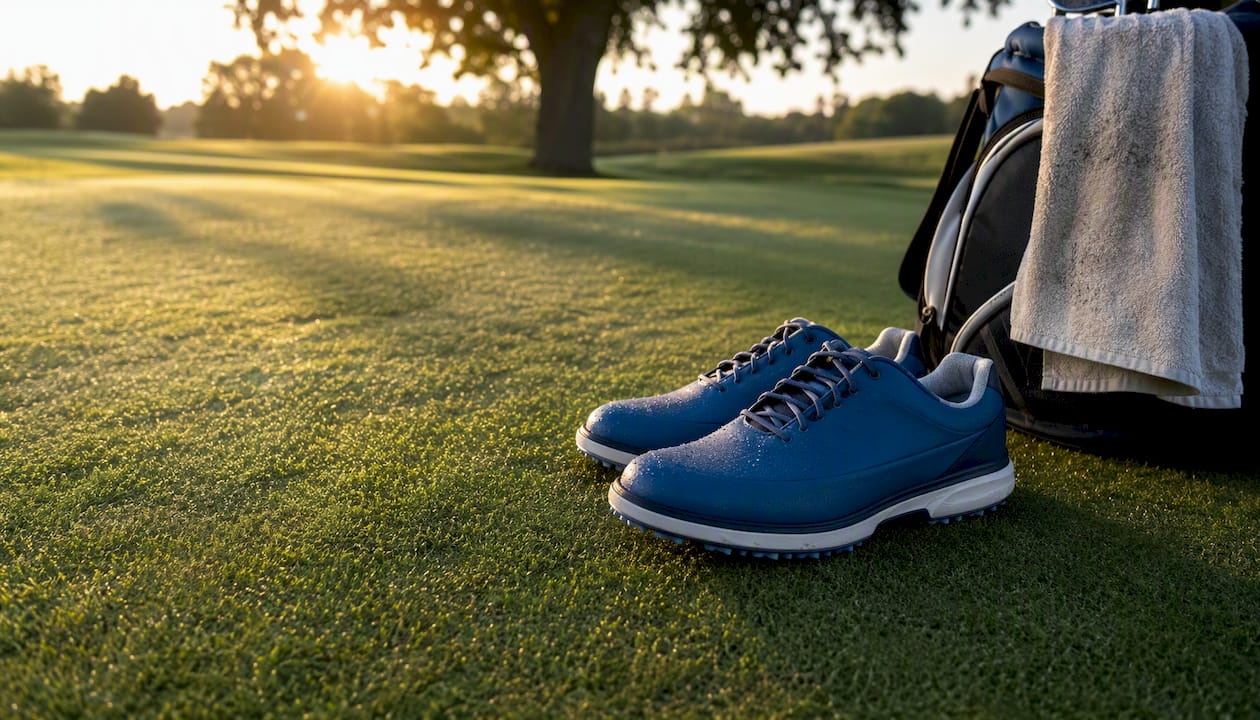
Swim guidance from Kiefer Aquatics formalizes this principle: use two to three training suits in rotation for durability and consistent feel, and reserve competition suits for key meets to preserve their performance properties. The same logic applies to any sport where apparel directly affects drag, compression, or movement range.
How to build a repeatable, competition-ready gear routine
A structured routine removes guesswork from gear management across a full training cycle.
6–12 week transition or maintenance cycle:
- Weeks 1–2: Wear competition kit at low intensity (warm-ups, technique work). Log fit, pressure points, and any placement drift.
- Weeks 3–4: Introduce match kit at moderate intensity (70–80% of competition loads or pace). Note any changes in feel or performance cues.
- Weeks 5–6: Full training sessions in match kit. Run a timed or scored session to establish a baseline with this exact setup.
- Weeks 7–10: Maintain. No changes to placement, tension, or components. Log any wear indicators.
- Week before the event: Pre-event rehearsal. Full kit, full warm-up, full run-through at competition intensity.
- Day before: Final inspection. Check every fastener, strap, and consumable. Pack verified spares.
Pre-event rehearsal checklist (week before):
- Fit: does every item sit exactly where it sat during your best training session?
- Function: draw, reload, lift, or sprint at competition speed. No surprises.
- Consumables: ammunition, chalk, grip tape, spare laces. Count and verify.
- Optics and electronics: battery level, zero confirmation, torque check.
Match-day packing list:
- Primary kit (worn)
- Identical spare of the highest-failure-risk item (holster screw set, spare laces, backup belt)
- Tools: torque wrench, hex keys, thread locker
- Logbook entry: date, setup notes, any pre-match adjustments
Pro Tip: Use a “one-change buffer” rule. If something fails on match day and you must substitute, make only that one change. Do not cascade into adjusting placement, tension, or other items to compensate. One change is manageable. Three changes compound into an unknown setup.
A simple logbook format works well: date, event, gear configuration, any deviation from standard, and a post-match performance note. Three entries are enough to spot a pattern.
How to keep kit predictable through maintenance and durability checks
Gear that performs consistently in training will not automatically perform consistently in competition if maintenance is irregular. Predictability requires a rhythm.
Daily and weekly maintenance:
- Wipe down contact surfaces after every session (holsters, belt sleeves, shoe uppers).
- Check retention screws and optic mounts weekly. Apply thread locker after any adjustment.
- Inspect straps and buckles for fraying at stress points.
- Rotate footwear: no single pair should absorb more than three consecutive hard sessions.
Seasonal deep checks:
- Compress shoe midsoles by hand and compare left to right. Uneven compression changes your stance.
- Pull straps to full tension and hold for 10 seconds. Any creep indicates material fatigue.
- Remove and reseat optic plates. Check for micro-movement in the mounting surface.
- Replace springs in holsters and magazines on a fixed interval, not when they fail.
Quality sports gear guidance identifies midsole collapse and fraying straps as the two most common sources of performance loss that athletes attribute to technique rather than equipment. Catching them early costs less than replacing the item after a match-day failure.
Spare-parts priority list for a match weekend:
- Optic mounting screws (full set, pre-torqued in a labeled bag)
- Spare holster retention screw and hex key
- Backup laces (same model as worn)
- Spare belt or sleeve if the primary shows any wear
- Thread locker, small tube
Pro Tip: Before any major event, do a “worst-case drop” test on your highest-risk item. Drop it from waist height onto a hard surface, then check every fastener and seating point. If anything shifts, it will shift under match stress too.
Track replacement intervals in your logbook. A holster spring that lasts 18 months in your hands is data. Use it to set a proactive replacement schedule rather than waiting for the spring to fail at a match.
How to change or upgrade gear without hurting your performance
Sometimes a change is unavoidable: damage, a rule change, a discontinued model, or a genuine performance upgrade. The risk is not the change itself. The risk is an unmanaged change.
Decision checklist before switching:
- Is the current item damaged beyond safe use, or is this a preference change?
- Is there a competition within 8 weeks?
- Has the new item been tested at any intensity?
- Do you have a baseline performance metric with the current item?
If a competition is within 8 weeks and the current item is functional, delay the switch unless safety requires it.
Phased adoption timeline (6–12 weeks):
- Baseline test: Record a scored or timed session with current gear. This is your comparison point.
- Week 1–2: Wear new item for warm-ups and low-intensity work only. Note fit differences.
- Week 3–4: Introduce at moderate intensity. Compare feel to baseline notes.
- Week 5–6: Full sessions with new item. Run a scored or timed session and compare to baseline.
- Week 7–8: Decision point. If performance is at or above baseline, proceed. If below, extend the phase or reconsider.
- Week 9–12: Treat new item as primary. No further changes before the event.
Small vs. large changes:
A small change, such as a new optic model or a replacement shoe in the same model line, typically needs 4–6 weeks of phased exposure. A large change, such as a new belt system, a different holster design, or a new suit brand in powerlifting, needs the full 10–12 weeks. Equipped powerlifters who switch brands close to competition consistently report unpredictable results, even when the new item is technically superior. The body needs time to encode the new feedback cues, not just time to wear the item.
What the research says about supportive gear and performance
The strongest direct evidence comes from powerlifting. A cross-sectional analysis of 120 lifters at world championship and record-level competition found that equipped divisions produced significantly higher maximal loads in squat and bench press versus RAW divisions, with large effect sizes (ES ≈ 1.3 for squat and bench in men, p < 0.001). The deadlift showed smaller or non-significant differences, which reflects the mechanics of how supportive gear interacts with each movement pattern.
Key finding: Supportive gear was associated with large effect sizes for squat and bench press in equipped powerlifting, with the effect varying by lift. This means gear is a measurable performance variable, not a marginal one, in sports where it directly interfaces with the movement.
The practical interpretation for individual athletes: effect sizes of this magnitude are meaningful at the competitive level, but they depend on gear that fits correctly, has been broken in properly, and is used consistently. A suit worn twice before a meet does not produce the same effect as one worn across a full training cycle.
Swim research reinforces the training-versus-competition separation principle. Kiefer Aquatics guidance recommends rotating two to three training suits to maintain consistent feel while preserving competition suits for key meets. The underlying logic applies across sports: gear that is used for everything degrades faster and loses its performance properties before the event that matters.
For shooting sports, competitive pistol shooting guidance documents how small hardware interfaces, optic adapter plates, holster screws, and magazine springs, create micro-variability that accumulates under recoil and movement. Regular torque checks and seating inspections are the practical response to this finding.
| Research area | Key finding | Practical takeaway |
|---|---|---|
| Powerlifting (equipped vs. RAW) | Large effect sizes for squat and bench press (ES ≈ 1.3, p < 0.001) in 120 lifters | Break in gear fully; consistent use across a training cycle is required to realize the effect |
| Swimwear (training vs. competition) | Competition suits degrade with repeated use; training suits maintain consistent feel | Reserve competition items for key meets; rotate training items |
| Pistol shooting (hardware checks) | Micro-movement in optic plates and holster screws accumulates under recoil | Torque-check all hardware before every match |
Common mistakes athletes make with gear before a match
Most gear-related performance losses are preventable. They follow a short list of repeatable errors.
High-impact mistakes:
- Training in disposable or “save for competition” kit and then switching to it cold on match day.
- Ignoring break-in needs and assuming new gear performs like broken-in gear.
- Swapping brands within 8 weeks of an event, even for a technically superior item.
- Trusting untested spares. A spare that has never been worn or fired is an unknown variable.
- Treating placement as approximate rather than exact. “About the same” is not the same.
Operational red flags to watch for:
- Draw time or reload time that varies by more than 10% between sessions.
- A holster or pouch that shifts position during a stage or set.
- A shoe that slips or rotates at the heel during lateral movement.
- Visible wear on load-bearing stitching, buckle teeth, or optic mounting surfaces.
- Any fastener that requires re-tightening more than once per session.
Before you commit to a piece of gear for a match, run this 60-second check: put it on in your standard configuration, perform three full-speed reps of your highest-stress movement (draw, lift, sprint), then inspect every contact point and fastener. If anything has shifted, tightened, or loosened, bench that item. A gear problem that shows up in 60 seconds will show up in a match.
The equipment integrity principle applies across sports: gear that behaves unpredictably in a quick check will not become predictable under competition pressure.
Jaguargolf: built for athletes who take equipment seriously
Golfers who compete know that club protection during travel and between rounds is not a minor detail. A driver head that takes a bag impact on the way to the course is a variable you did not plan for. Jaguargolf’s all-leather golf headcovers are designed to keep your clubs in the same condition from the first practice round to the final hole of the event. Durable materials, precise fit, and designs that hold up across a full season of use.
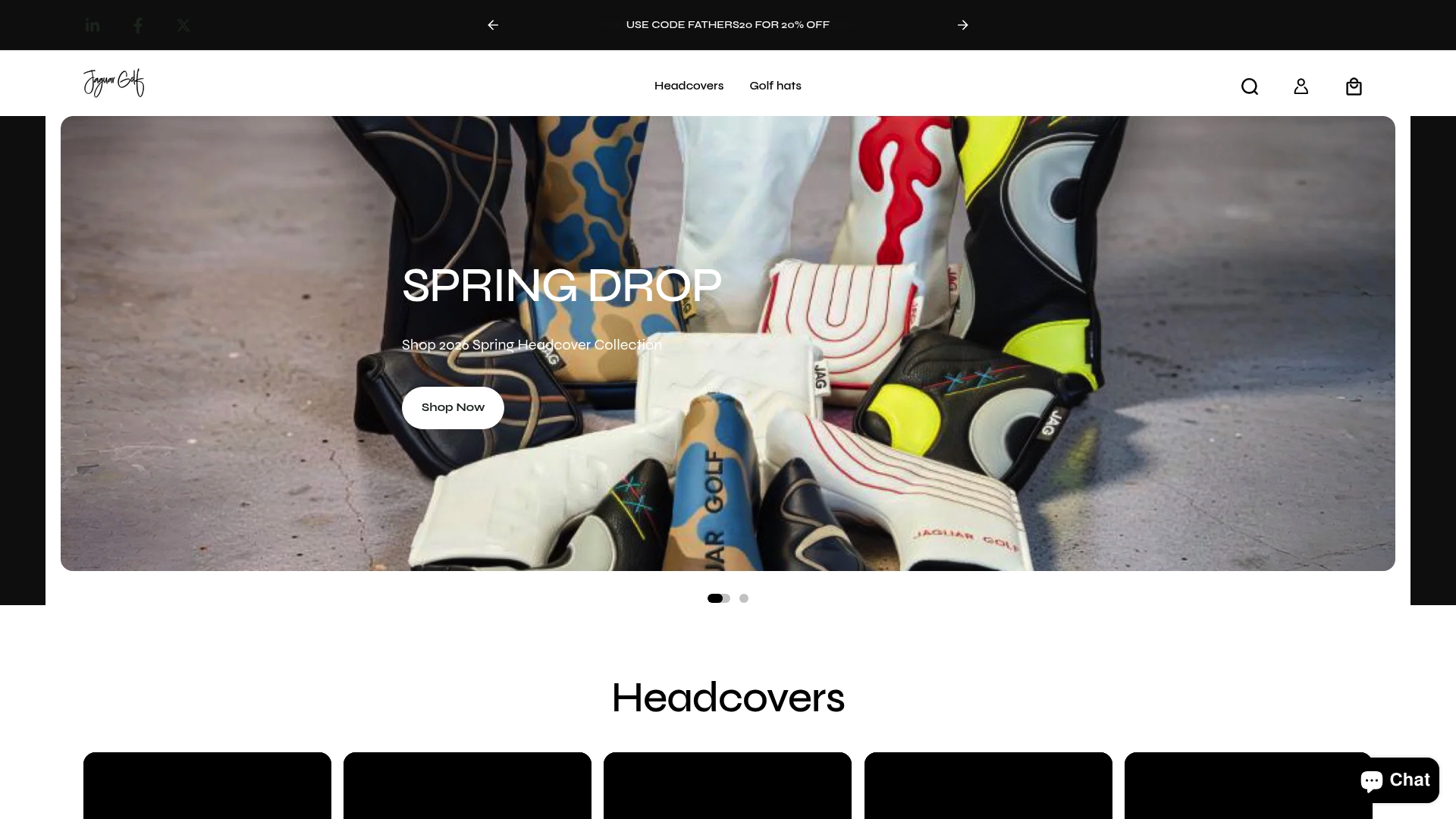
The JAG Signature Collection extends that same standard to fairway woods and putters, covering the full set of clubs you rely on in competition. For golfers who also want their apparel to signal the same level of preparation, Jaguargolf’s hat lineup completes a consistent, competition-ready look. Browse the full range at Jaguargolf and add the headcovers that match the standard you hold your game to.
Sources
- The influence of compressive gear on maximal load lifted in competitive powerlifting
- Equipment Considerations for Competitive Pistol Shooters - Mitmunk
- Practice vs Competition Swimwear (The Complete Guide for Swimmers, Parents and Teams) – Kiefer Aquatics
- Why Quality Sports Gear Actually Matters for Your Performance


